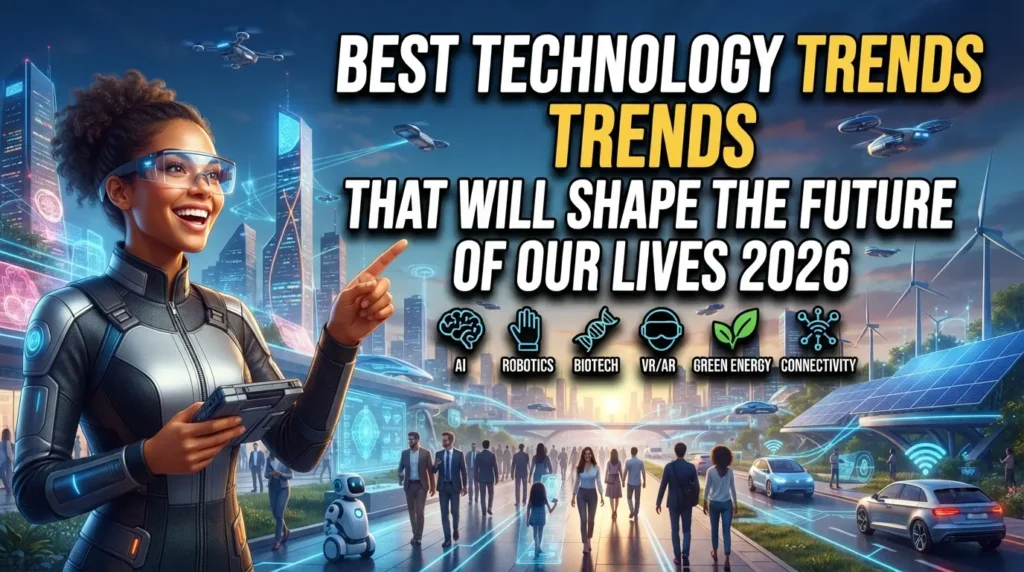

Tracking the best technology trends that will shape the future of our lives often feels like watching science fiction quietly turn into daily reality. You blink, and a tool you once considered impossible suddenly runs on your phone, changes how you manage your kitchen, or automates your workday. I spend hours testing new tech gear, and the real shifts happening right now will genuinely amaze you.
1. Autonomous AI Agents: The Best Technology Trends That Will Shape the Future of Our Lives
Autonomous software agents now execute complex multi-step workflows without constant human prompts. Instead of merely answering questions, tools like AutoGPT and specialized Claude workflows schedule appointments, analyze spreadsheets, and draft personalized communications based on simple high-level goals. They save countless hours of manual screen time.
I set up an autonomous agent last month to organize my receipt sorting and tax categorizations. The system processed hundreds of digital invoices and flagged discrepancies without making a single indexing error. You gain back your weekends while complex digital chores handle themselves quietly in the background.
2. Solid-State EV and Consumer Batteries
Solid-state battery cells replace volatile liquid electrolytes with dense ceramic or polymer materials. This architecture increases energy density by almost double while reducing fire risks and dramatically shortening charging durations. Drivers can look forward to electric vehicles that charge fully in under ten minutes.
Companies like QuantumScape and Toyota are running practical road tests right now with great results. The true victory comes with consumer gadgets, where solid-state energy will finally give our smartphones three days of heavy usage on a single charge. You will stop hunting for wall outlets at airport terminals.
3. Spatial Computing and Micro-OLED Glasses
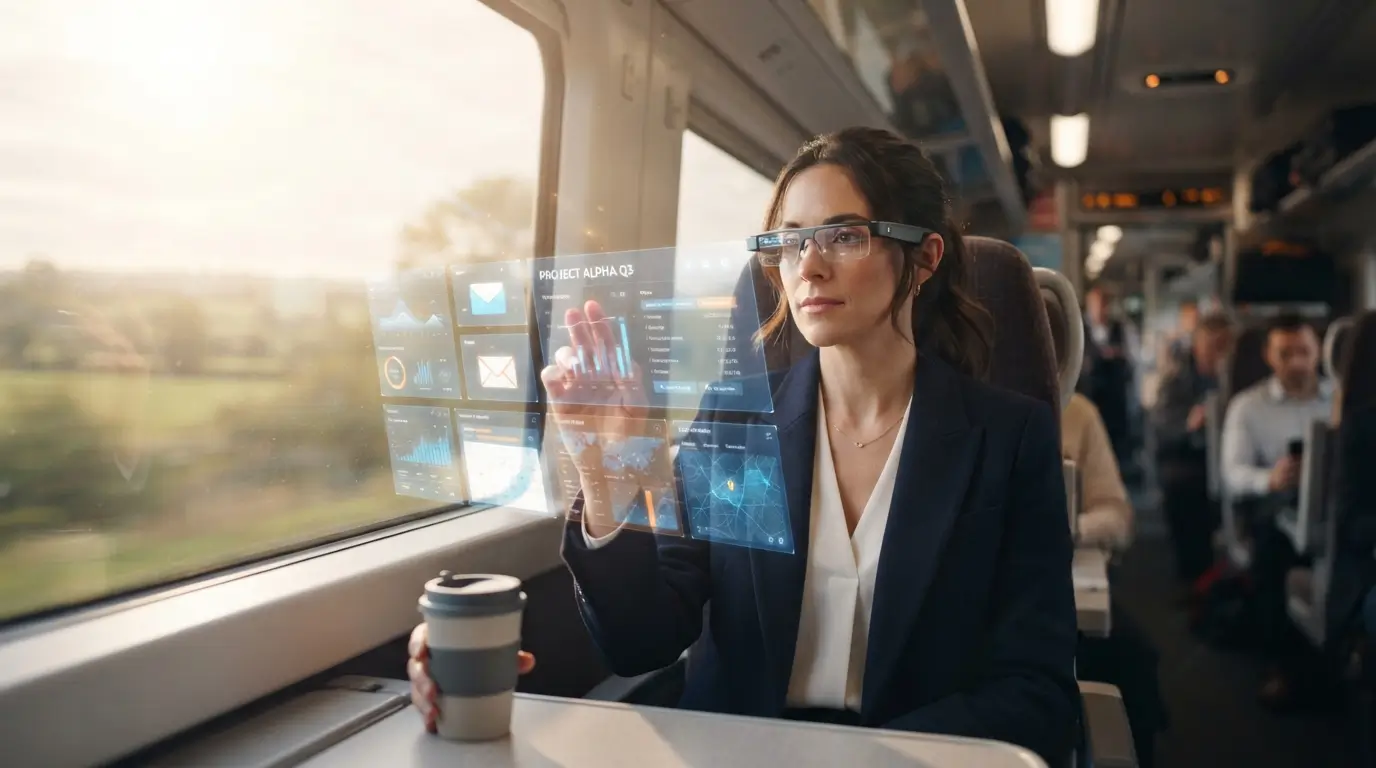
Bulky virtual reality goggles are shrinking into sleek everyday eyewear powered by micro-OLED displays. Spatial operating systems project clean digital workspaces and real-time navigation directions directly across your physical visual field. These systems blend our physical surroundings with responsive digital interfaces seamlessly.
Wearing the XREAL Air glasses during my train commute completely changed how I work on laptops. Floating three giant virtual screens in front of my eyes without disturbing the passenger next to me felt like pure magic. Spatial computing replaces clunky physical monitors with weightless digital displays you carry anywhere.
4. Local Ambient Smart Home Tech
The era of screaming commands at your smart speaker is fading fast. Modern home setups use low-power millimeter-wave radar sensors and local processing hubs like Home Assistant to sense your presence and room habits. Lights, temperature, and audio adjust smoothly before you even touch a switch.
My own setup uses ambient intelligence to detect when I sit at my desk, quietly dimming glare and turning on focus playlists. Everything runs locally on private hardware, so my routines never break when the internet drops. Home automation finally feels intuitive rather than annoying.
5. Wearable Biometrics and Preventive Health
Continuous health monitoring has evolved far beyond counting your daily walking steps. Modern sensors on devices from Oura, Whoop, and Apple track continuous glucose patterns, heart rate variability, and blood oxygen levels around the clock. Recognizing these patterns as one of the best technology trends that will shape the future of our lives gives you early warning for illness.
Tracking my recovery metrics with wearable biosensors helped me spot chronic stress weeks before feeling total burnout. The app flagged irregular resting heart rates, which pushed me to adjust my sleep schedule and diet proactively. Healthcare becomes preventive rather than reactionary.
6. Neighborhood Microgrids and Home Storage
Rooftop solar panels paired with smart home battery packs are transforming regular houses into independent power plants. Modern microgrids let entire neighborhoods share surplus renewable power locally without relying solely on aging central electrical grids. Software handles all the load balancing automatically.
During severe storms last winter, our local energy microgrid kept neighborhood refrigerators running while the main power grid went black for days. Homeowners earned credits by automatically routing stored solar kilowatt-hours to nearby houses in need. Clean energy security is moving directly into our own backyards.
7. AI-Driven Molecular Medicine
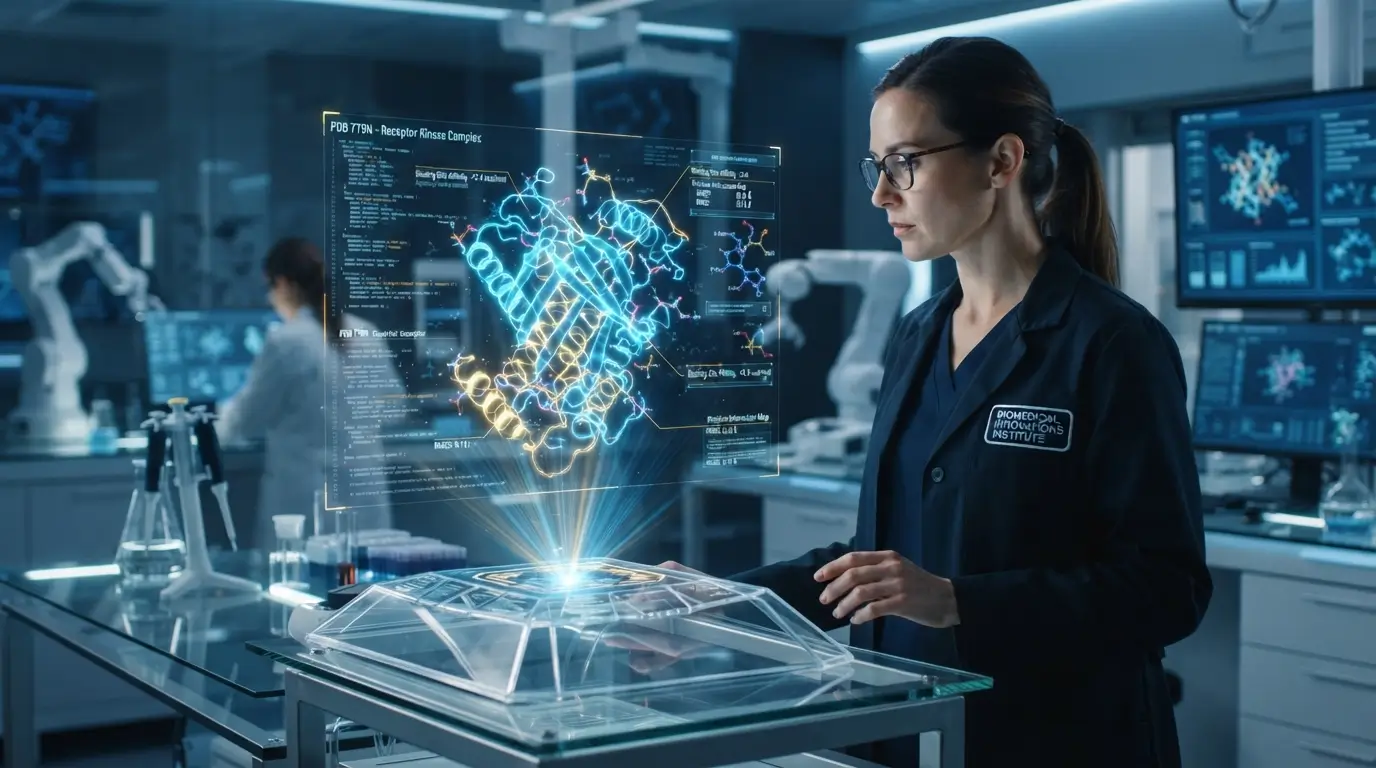
Machine learning models like AlphaFold are decoding complex protein structures in seconds instead of decades. Researchers utilize these algorithmic simulations to design targeted cancer therapies, novel vaccines, and plastic-eating enzymes with atomic accuracy. The speed of medical discovery has accelerated beyond anything previously possible.
Laboratory scientists can now model synthetic enzymes on desktop computers before ordering physical chemical samples. This approach slashes clinical trial development costs and eliminates years of blind trial and error. Personalized medical treatments will cure diseases that once carried grim prognoses.
8. General-Purpose Humanoid Robots
Robotics engineering has advanced past single-purpose factory arms bolted to warehouse floors. Bipedal machines from Boston Dynamics, Agility Robotics, and Figure utilize neural vision models to lift boxes, climb tight staircases, and manipulate delicate tools. They adapt on the fly to messy real-world environments.
Watching a warehouse humanoid robot unload shipping pallets smoothly beside human workers proved to me that mechanical labor is changing forever. These machines take over physically punishing, repetitive tasks that cause severe workplace injuries. Our physical logistics networks will operate faster, safer, and far more reliably.
9. Local Edge AI and Small Language Models
Massive data centers are no longer strictly necessary for running capable neural networks. Compact models like Llama 3 and Mistral run directly on consumer laptops and smartphones without sending private data to corporate cloud servers. Truly understanding the best technology trends that will shape the future of our lives helps us prepare for this shift toward local processing.
I run a private edge AI model on my MacBook to summarize sensitive client documents and financial records offline. The application responds instantly, consumes minimal battery, and guarantees total privacy because no data ever leaves my hard drive. Fast local intelligence beats slow cloud calls every single time.
10. Low Earth Orbit Satellite Internet
Constellations of low Earth orbit satellites are delivering high-speed, low-latency broadband to every remote corner of the globe. Services like Starlink connect rural communities, isolated ships, and off-grid research stations that telecom companies ignored for decades. Global coverage is finally a tangible reality.
Testing satellite broadband from a remote mountain cabin allowed me to stream video calls and push code updates without a hitch. FYI, having 150 Mbps download speeds in the middle of a national forest changes remote work completely. Reliable connectivity is no longer tied to urban fiber cables.

11. Direct Air Carbon Capture and Utilization
Engineered direct air capture systems draw ambient carbon dioxide straight out of the atmosphere to store underground or turn into useful materials. Facilities engineered by Climeworks pull metric tons of emissions and bind them permanently into basalt rock formations. Industrial pollution can now be actively reversed.
Startups are already using captured carbon to manufacture durable concrete, sustainable aviation fuels, and consumer electronics casings. Seeing real building materials made from atmospheric emissions proves this technology works beyond the testing lab. We are shifting from simply curbing future emissions to actively cleaning up past damage.
12. Quantum Simulation and Hybrid Systems
Hybrid computing platforms combine traditional supercomputers with quantum processing units to solve previously impossible math equations. These specialized systems optimize international shipping routes, simulate molecular physics, and design superconducting alloys at unprecedented speeds. Cryptography and logistics will experience massive structural leaps.
Using cloud-based quantum processors from IBM gives researchers real access to quantum logic gates from standard web browsers. IMO, seeing chemical bonding calculations finish in minutes rather than months confirms how close practical commercial quantum advantages really are. Practical quantum computing will revolutionize industrial materials design.
13. Cultivated Agriculture and Precision Fermentation
Cellular agriculture brews genuine meat and dairy proteins in stainless steel bioreactors without raising or slaughtering livestock. Companies like Upside Foods and Perfect Day use cellular brewing methods to produce real animal proteins with ninety percent less land and water. Food production becomes cleaner and far more ethical.
I sampled cultivated poultry at an industry showcase, and the texture, taste, and aroma matched farm-raised chicken identically. Precision fermentation tanks produce identical whey protein that creates creamy dairy products without involving cows. Our global food supply chain gains immense resilience against climate shocks and land shortages.
14. Non-Invasive Neural Interfaces
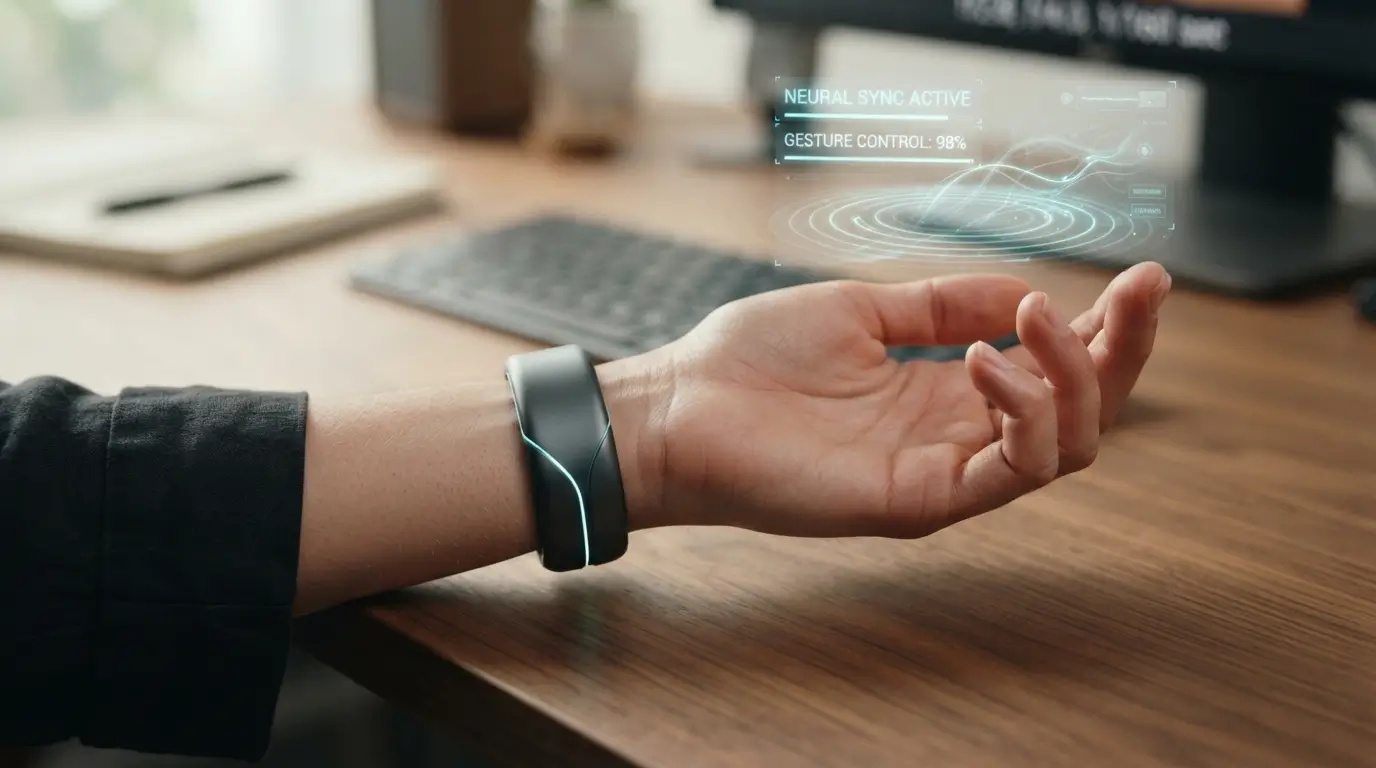
Neural recording devices and electromyography wristbands translate subtle nervous system signals into direct digital inputs. Instead of moving a mechanical mouse or tapping a glass screen, tiny muscle twitches control software interfaces with zero physical strain. This hardware restores digital autonomy to paralyzed individuals.
Trying out an EMG neural band let me scroll through long text documents simply by thinking about moving my index finger. The responsiveness felt immediate and natural, like an intuitive extension of my own body. Neural interfaces will fundamentally redefine how humans interact with everyday consumer computing.
Frequently Asked Questions
Which technology trends will shape everyday life the fastest?
Autonomous AI agents and local edge models are moving the fastest because they require only software updates rather than new physical factories. You will likely see smarter personal assistants on your phone and automated work routines long before humanoid robots or quantum systems arrive in your living room.
How will the best technology trends that will shape the future of our lives impact personal privacy?
Privacy will improve as edge computing and local processing chips gain dominance over cloud servers. Instead of sending private health biometrics or personal documents across remote servers, small on-device models analyze sensitive data directly on your phone or laptop, keeping your personal information in your hands.
Are solid-state batteries safe for consumer electronics?
Yes, solid-state batteries are significantly safer than traditional lithium-ion packs. Because they replace flammable liquid electrolytes with solid ceramics or polymers, they resist puncturing, run much cooler under heavy workloads, and virtually eliminate the catastrophic thermal runaway fires occasionally seen in standard electronics.
Do humanoid robots pose a threat to average workplace safety?
Humanoid robots actually improve overall workplace safety by handling physically dangerous, heavy, or repetitive labor that damages human backs and joints. Built-in neural vision systems and force-feedback sensors ensure these machines stop instantly when a human worker steps into their operational path.
Will quantum computing make current digital security obsolete?
Quantum computing will challenge older encryption standards like RSA, but cybersecurity teams are already deploying post-quantum cryptography algorithms to protect data. Major tech firms and banks are actively upgrading their security protocols right now, well before powerful commercial quantum machines become widely accessible.
Conclusion
The pace of new development can feel overwhelming, but picking up even one or two of these tools today puts you miles ahead of the curve. I find that testing practical innovations early makes adapting to major technological shifts feel natural rather than intimidating. Which of these tech breakthroughs are you most excited to try in your own daily routine?
Also Read: How Artificial Intelligence Is Changing Everyday Life in 2026