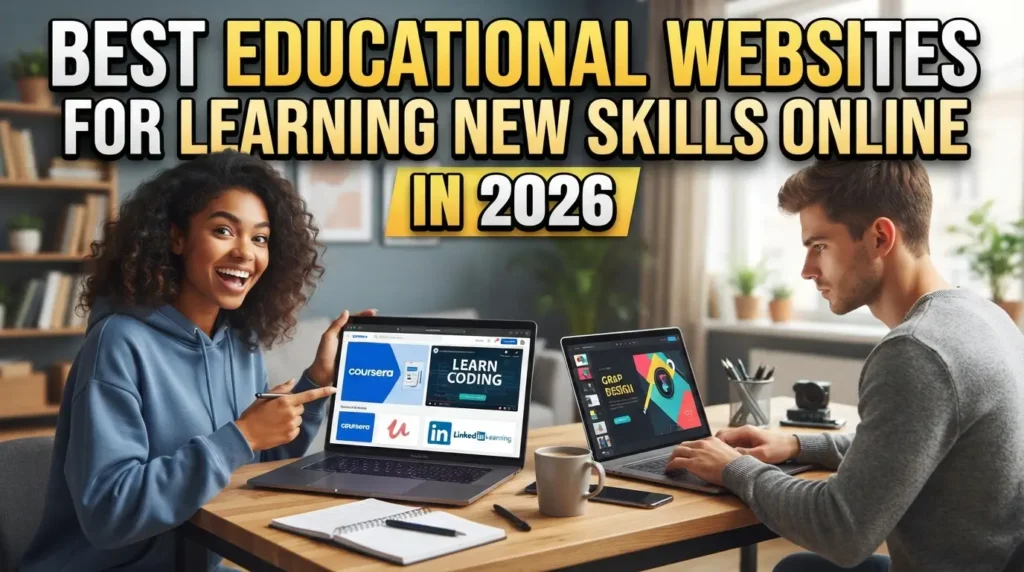

Finding the best educational websites for learning new skills online in 2026 felt like trying to choose a streaming show on a Friday night. I spent weeks drowning in preview videos and half-finished modules, desperately searching for platforms that actually teach you something useful. My bank account took a beating so yours does not have to. Here is what actually worked for me.
How I Evaluated the Best Educational Websites for Learning New Skills Online in 2026
My criteria for this roundup were simple. I avoided platforms that only offer outdated video tutorials from five years ago. I spent actual cash on subscriptions, sat through hours of lectures, and tried to build real projects using what I learned. A great site needs to offer active community forums, clear progression paths, and instructors who actually work in their respective fields. We have all bought courses that we abandoned after the first ten minutes, so I focused on platforms that keep you engaged. I also looked specifically for sites updating their catalogs to match the current job landscape. These criteria helped me filter out the noise to find the absolute best educational websites for learning new skills online in 2026.
1. Coursera: Best for Academic and Career Credentials
Coursera remains the heavyweight champion for anyone wanting structured, university-backed learning. They partner with Ivy League schools and massive tech giants like Google and IBM to offer legitimate professional certificates. I took a data science course here and appreciated the rigorous peer-reviewed assignments. It feels like a real classroom, complete with deadlines that force you to stop procrastinating. IMO, their mobile app is surprisingly good for watching lectures during your commute.
This platform is best for professionals looking to add credible achievements to their resumes. However, the academic rigor can sometimes feel dry and overly theoretical. If you want to build a quick project over the weekend without writing academic papers, the massive time commitment here will frustrate you. You should also watch out for their monthly subscription model, as those fees keep piling up if you do not finish your course quickly.

2. Skillshare: Best for Creative Side Hustles
For those who learn best by doing, Skillshare focuses entirely on bite-sized, project-oriented classes. You can learn illustration, video editing, or UX design from working professionals who skip the heavy theory. I loved their hands-on approach where every course requires you to upload a finished project to the community gallery. It feels much more collaborative and casual than traditional online academies. I actually used their short video editing courses to fix my workflow bottlenecks last year.
Creative hobbyists and freelancers wanting to sharpen specific design skills will get the most value here. The major downside is the total lack of quality control. Anyone can upload a class, meaning you often have to dig through amateur videos to find a genuine gem. Keep your eye on the reviews and student project galleries to avoid wasting your time on low-effort classes.
3. Udemy: Best for Hyper-Specific Technical Tasks
Whenever I need to learn a highly specific software tool or programming language syntax, I search Udemy first. They host an absolutely massive marketplace of individual courses sold directly by independent creators. The platform shines because of its frequent deep-discount sales, making premium instruction incredibly affordable. I bought a 40-hour web development boot camp for the price of a cheap lunch. Just remember to never pay full price on this site, since courses go on sale practically every week.
This marketplace works beautifully for self-motivated learners who need to master a single tool fast. On the flip side, the certificate of completion holds almost zero weight with corporate recruiters. You are paying for the practical knowledge alone, not the resume credit. You also have to rely heavily on student reviews, as course quality varies wildly between different instructors.
4. Frontend Masters: Best for Serious Web Developers
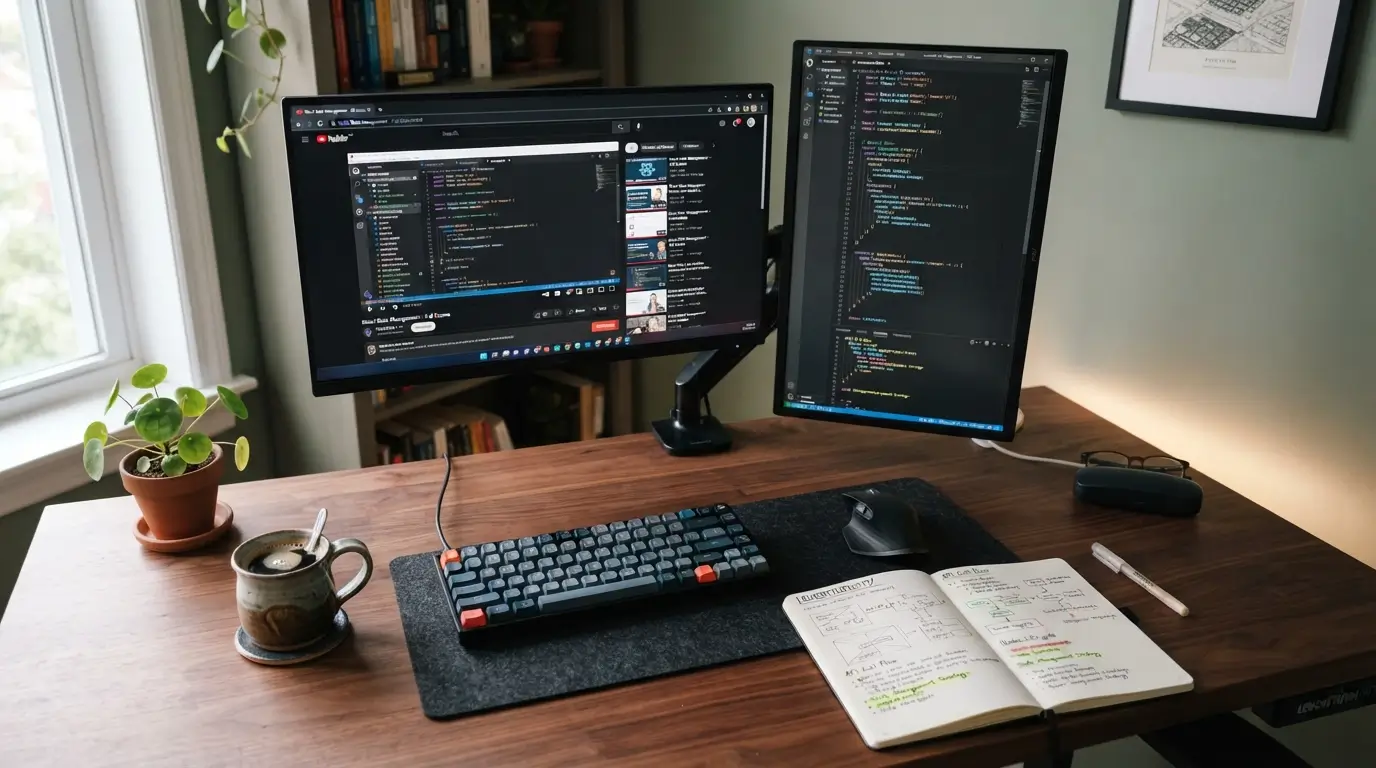
If you are pursuing a career in software engineering, Frontend Masters is the absolute gold standard. Their courses feature industry leaders who examine advanced JavaScript, CSS architecture, and system design in great depth. I found their video player setup and accompanying written guides vastly superior to any other tech platform. They do not hold your hand, they expect you to think critically. The exercises they provide mimic real-world production code challenges.
Professional developers aiming to level up their skills or ace technical interviews should look nowhere else. The catch is the premium price tag, which might shock casual learners. It is a major financial investment, but the career progression it enables makes it worth every single dollar. If you are a beginner, their free bootcamp tracks are a great starting point before committing to a paid plan.
5. MasterClass: Best for High-Production Edutainment
MasterClass takes a completely different approach by treating education like a cinematic experience. You get to watch world-famous icons like Martin Scorsese or Serena Williams share their personal philosophies and workflows. The production quality is breathtaking, resembling a high-budget documentary more than a standard internet class. I found myself highly inspired after watching several filmmaking sessions on my television.
This platform suits curious minds seeking inspiration and high-level insights rather than technical tutorials. Do not expect to walk away with practical, step-by-step technical skills from these lessons. It is designed for entertainment and motivation, not for learning syntax or database management. Think of it as a premium streaming service for your brain rather than a traditional classroom environment.

6. Khan Academy: Best for Learning Foundations for Free
We cannot talk about online education without celebrating the absolute best free resource on the internet. Khan Academy offers incredibly structured pathways in math, science, and computing without charging a single penny. The dashboard tracks your progress with game-like points and badges that make tough topics surprisingly addictive. I used their calculus refresher to dust off skills I had neglected since high school. The bite-sized dashboard layout keeps dry topics manageable.
Students, parents, and self-starters on a strict budget will find this platform indispensable. However, it focuses heavily on academic school curricula, meaning you won’t find courses on modern digital marketing or mobile app development. It serves as a fantastic foundational launchpad, but you will eventually need to transition to other websites for industry-specific professional training.
7. edX: Best for Advanced Professional Specializations
Anyone seeking structured academic courses but with a heavier focus on technical and scientific fields will find edX to be a powerful option. Founded by Harvard and MIT, it matches Coursera in prestige but leans more towards hard sciences and engineering programs. I used it to study basic Python scripting and appreciated how challenging the homework assignments were. They do not hand out easy grades, which makes finishing a course feel incredibly rewarding.
This site is perfect for career changers who want rigorous training from world-class institutions. The major drawback is that the platform interface can feel clunky and unintuitive compared to its sleeker competitors. You will also need to pay a premium price if you want to access graded homework and earn a verified certificate.
How to Stay Consistent When Learning Online
Signing up for the best educational websites for learning new skills online in 2026 is only the first step. Staying motivated when nobody is watching you is the real challenge. I struggled with this constantly until I changed my study habits. I used to sign up for three courses at once, only to abandon all of them by mid-week.
To avoid burnout, I recommend scheduling just twenty minutes of learning daily rather than pulling marathon weekend sessions. Set a specific, measurable goal for what you want to build with your new knowledge. Having a tangible project in mind keeps you focused when the technical theory gets dry and frustrating. Finally, find an online community of fellow learners to keep you accountable.

FAQs
Which of the best educational websites for learning new skills online in 2026 are completely free?
Khan Academy is entirely free and covers math, science, and basic computing without any hidden fees. Additionally, platforms like Coursera allow you to audit many of their courses for free, meaning you can access the lectures and reading materials without receiving a formal certificate.
Are online certificates actually respected by employers?
Employers respect certificates that come from established institutions or major tech brands through Coursera. However, a piece of paper matters less than a solid portfolio. Showing a recruiter a real product you built using your skills carries far more weight than any digital badge.
How do I avoid getting overwhelmed by online courses?
Stick to one course at a time instead of buying multiple classes at once. Pick a platform that matches your specific learning style, whether that means highly interactive coding sandboxes or cinematic, high-level theory lectures. Set small milestones to track your progress weekly.
Do I need a strong computer to use these websites?
Most of these platforms only require a basic web browser and a stable internet connection for streaming video lectures. If you are learning advanced software development or 3D rendering, you will eventually need more powerful local hardware, but you can start on almost any laptop.
Can I learn practical coding skills without paying for bootcamp?
You absolutely can build a career using affordable self-paced platforms like Frontend Masters or Udemy. Many successful developers are completely self-taught. The key is applying your knowledge by building independent projects and publishing your code on public repositories for recruiters to see.
Conclusion
Choosing the right place to learn takes some trial and error, but the investment in yourself is always worth it. Pick one platform that aligns with your immediate goals and commit to just one course this month. Which skill are you going to tackle first?
Also Read; How to Create an Effective Study Schedule and Stay Consistent 2026