

Learning how to create a productive learning environment at home saved my sanity after months of trying to study from a messy kitchen table. Sitting surrounded by dirty dishes and blaring televisions drained my energy before I even opened a textbook. You do not need a massive spare room or expensive gear to fix this. You just need an intentional setup that protects your focus.
Claim a Dedicated Learning Zone
Carving out a distinct physical space matters more than the total square footage of your living area. Have you ever tried studying on a sofa only to wake up from an unplanned nap two hours later? When you use your bed or couch for studying, your brain gets confused about whether it should relax or execute complex mental tasks. Establishing spatial conditioning creates a psychological trigger that flips your brain into active work mode the moment you sit down.
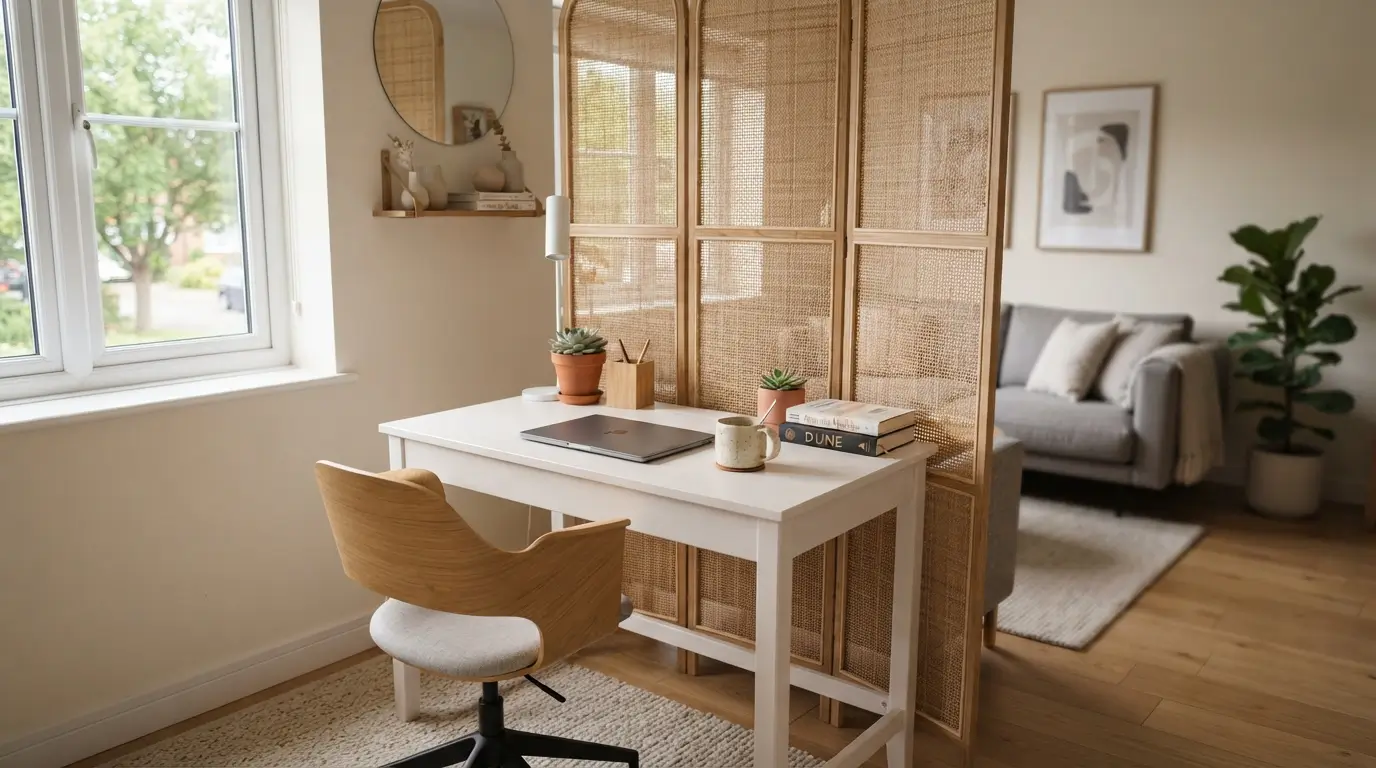
Set up a corner desk or a sturdy table that serves exclusively as your workstation. I converted an awkward, unused nook in my hallway into a dedicated study hub using a compact IKEA Micke desk and a basic partition screen. Even if you live in a tight studio apartment, designate one specific chair and table angle that you use solely for coursework and reading. When study time ends, walk away from that spot so your relaxation areas remain truly restful.
Dial In Your Ergonomics and Lighting
Physical discomfort ruins concentration faster than almost anything else during a long study session. Slouching over a low laptop screen strains your neck muscles, compresses your spine, and leads to tension headaches within an hour. Prioritize ergonomic alignment by adjusting your setup so your eyes level with the top third of your monitor while your elbows rest comfortably at ninety degrees.
Pair a laptop stand like the Roost with an external keyboard and mouse to instantly improve your posture. Natural light should serve as your primary daytime illumination because it sustains alertness and regulates your mood. Position your desk perpendicular to a window to gain bright daylight without dealing with direct, blinding glare on your screen. When working after sunset, skip harsh overhead lights and use an adjustable desk lamp, such as the BenQ e-Reading LED lamp, which casts wide, even light across your entire work surface.
Eliminate Digital and Acoustic Distractions
Noise creeps into your workflow and fractures your deep work blocks without you realizing how much momentum you lose. Background chatter, street traffic, and sudden household noises force your brain into constant context switching as it filters irrelevant sounds. Investing in a pair of over-ear noise-cancelling headphones, like the Sony WH-1000XM4, creates an instant bubble of isolation no matter what happens around you.
If total silence feels unnerving, play ambient soundscapes, binaural beats, or instrumental tracks through services like Brain.fm. Keep digital clutter at bay by treating your computer screen with the same discipline as your physical desk. FYI, even having your phone screen visible face-up reduces cognitive capacity, so put it on silent in another room. Install site blockers like Cold Turkey or Freedom on your computer during designated study hours to cut off impulsive social media browsing.
How to Create a Productive Learning Environment at Home with Smart Organization
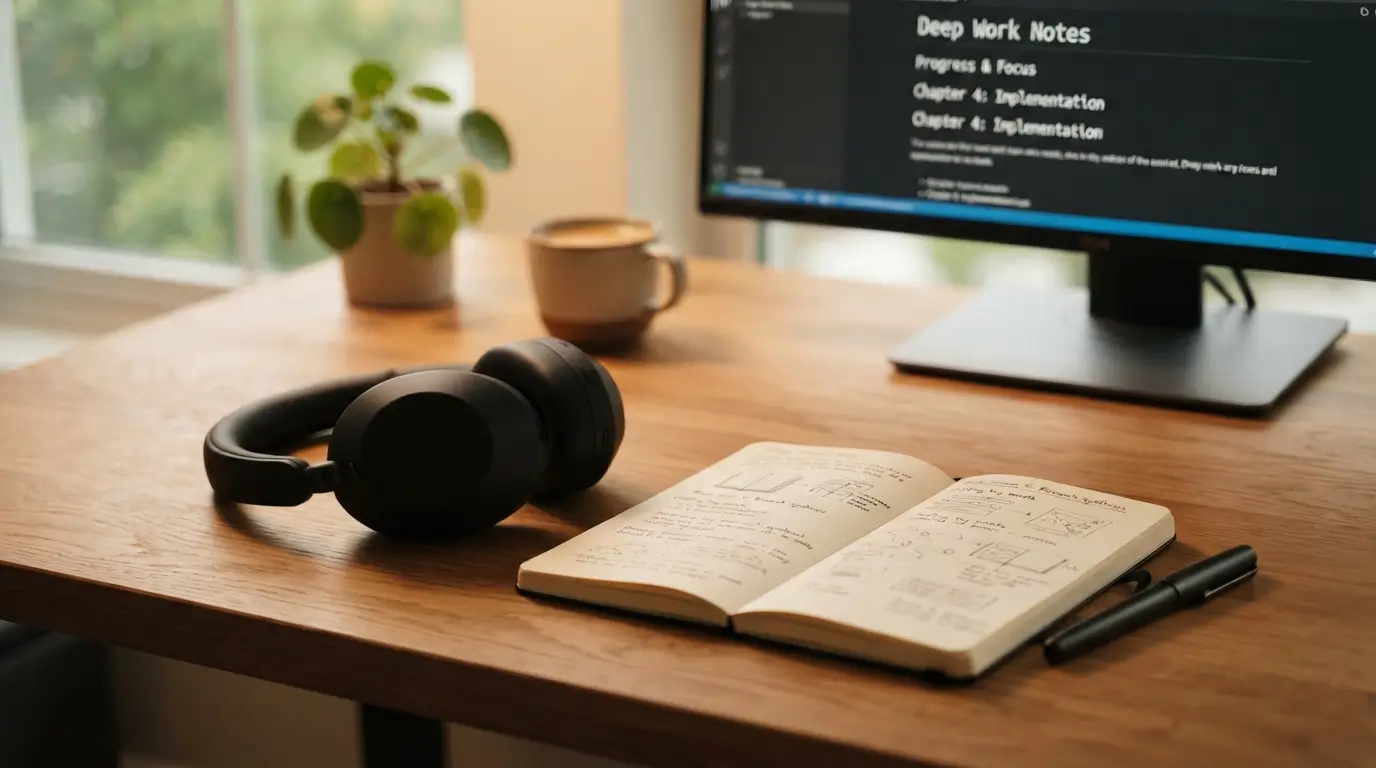
Visual clutter translates directly to mental clutter when you sit down for a heavy study session. Stacks of unrelated paperwork, tangled charging cables, and scattered pens constantly compete for your visual attention. Adopting a strict clear desktop policy ensures that only the materials needed for your immediate task earn a spot on your desk surface.
Mount an IKEA Skådis pegboard on the wall directly above your workspace to keep headphones, highlighters, and chargers within arm’s reach without cluttering your desktop. Store reference binders, textbooks, and extra notebooks in a nearby rolling utility cart or a vertical shelf organizer. When you sit down, keep only your active notebook, current reading material, computer, and a glass of water in front of you. Understanding how to create a productive learning environment at home means treating your workspace with the same respect as a professional laboratory.
Anchor Your Focus with Sensory Triggers
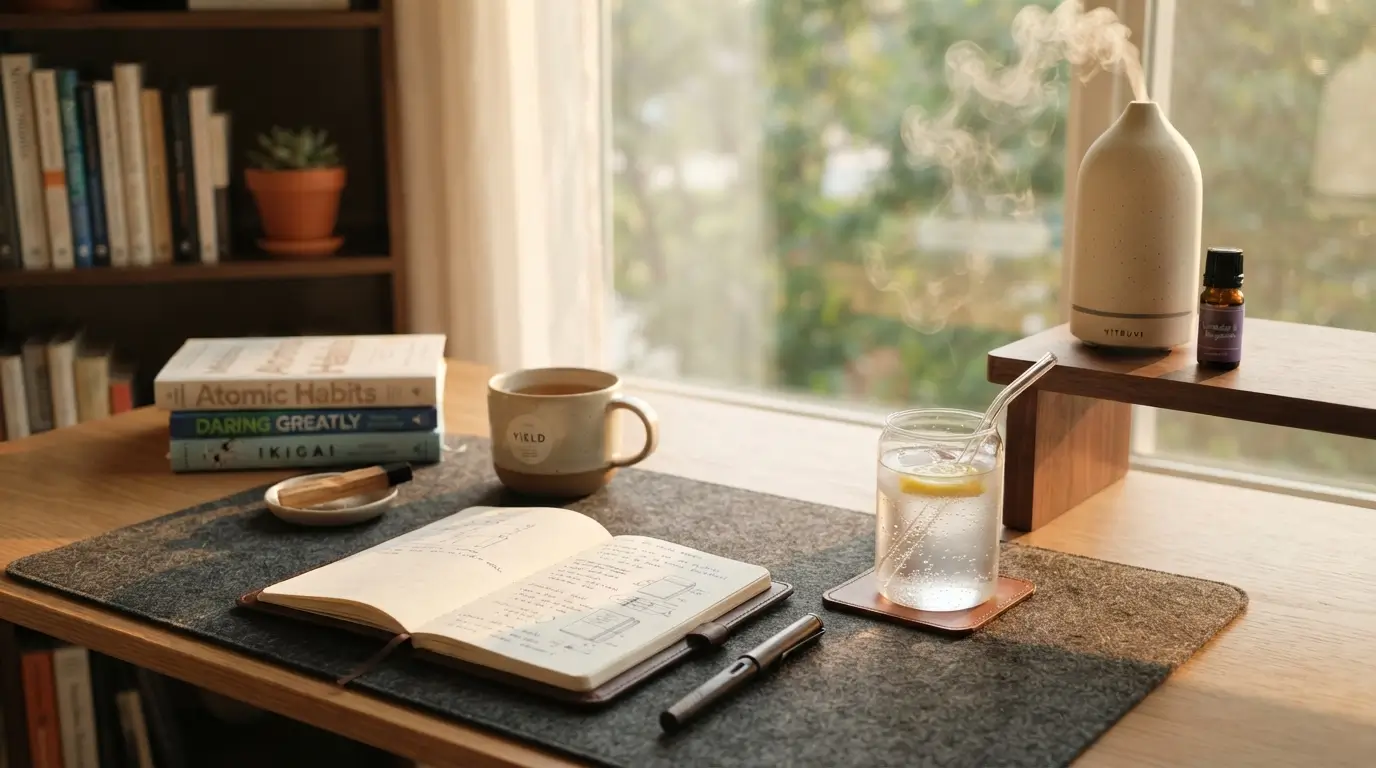
Your brain responds heavily to familiar sensory patterns when switching into high performance mode. Establishing consistent sensory cues trains your nervous system to drop into deep concentration much faster. Scent plays a powerful role in memory and cognitive clarity, making an essential oil diffuser a valuable desk companion. Running rosemary or peppermint oil during intense study sessions builds strong mental associations with alertness and recall.
Tactile sensations ground your physical comfort throughout several hours of intense analytical work. IMO, a tactile desktop surface beats cold, bare laminate every single day. Lay down an oversized wool felt or faux-leather desk pad to give your wrists a comfortable resting area and define your working zone. This subtle form of sensory conditioning sounds simple, but repeating the same physical and olfactory cues day after day signals your nervous system that it is time to produce serious results.
Establish Clear Boundaries with Other People
Living with roommates, family members, or a partner makes boundary setting an absolute necessity for home learning. How can you expect deep focus if anyone can walk in and interrupt your train of thought? People often assume that being at home means you are available for casual conversations, quick chores, or answering doorbells.
Prevent constant interruptions by instituting obvious visual boundary signals that communicate your availability. Hang a small whiteboard or a colored card on your door where red indicates an active study block and green means you are free to chat. Talk to your household members beforehand and share your specific study schedule so everyone knows your exact focus hours. Defending your study time requires consistent communication, reminding everyone that knowing how to create a productive learning environment at home requires defending your schedule from outside interference.
Design Daily Startup and Shutdown Routines
Starting and stopping your study blocks with clear rituals closes the loop on daily burnout. Jumping straight from breakfast into complex assignments without a buffer leaves you feeling scattered and resistant to starting. A five-minute startup sequence eases you into the work mindset smoothly without relying entirely on raw willpower.
Begin your session by filling a water bottle, reviewing your top three priorities for the day in an app like Notion, and setting an interval timer. When your scheduled time ends, execute a deliberate shutdown ritual rather than simply walking away mid-task. Close all open browser tabs, file your loose papers, wipe down your desk surface, and write down the single first task you need to tackle tomorrow morning. Physically shutting your laptop lid marks the official end of your academic day and lets your brain recharge fully.
Control Your Climate and Air Quality
A stuffy, overheated room will put you to sleep within twenty minutes regardless of your motivation level. High carbon dioxide levels in closed rooms reduce decision-making speed and trigger sluggish, foggy thinking. Maintaining proper ambient temperature control keeps your body comfortable and your mind sharp through grueling study sessions.
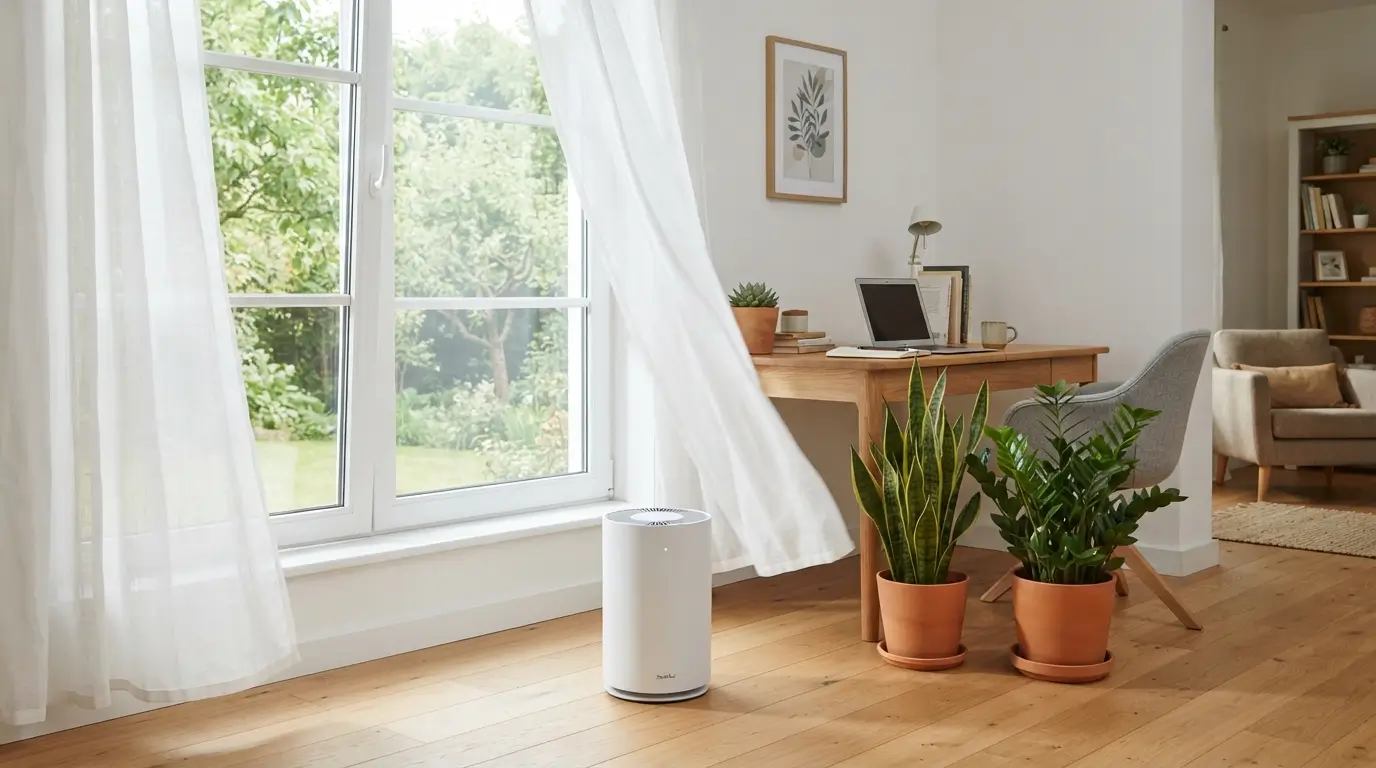
Keep your study space between 68 and 70 degrees Fahrenheit, which research consistently identifies as the sweet spot for mental tasks. Crack a window open slightly to circulate fresh air, or run a small HEPA air purifier like the Levoit Core 300 to remove dust and allergens. Adding a hardy indoor plant, such as a Snake Plant or ZZ Plant, brightens the room aesthetically while helping maintain pleasant indoor air conditions.
Frequently Asked Questions
What should I do if I do not have a separate room for studying?
Focus on micro-zones. Dedicate one specific chair or table corner exclusively to studying, never for eating or relaxation. Use a folding room divider or noise-cancelling headphones to create psychological separation. Pack your materials into a portable caddy when finished to clear the space completely.
How can I build a productive home learning space on a tight budget?
Start with items you already own. Elevate your laptop with a stack of thick books to improve posture, position your table near a window for natural daylight, and repurpose mugs for stationery. Thrift stores often carry sturdy wooden desks and task lamps at a fraction of retail prices.
How does lighting affect learning productivity at home?
Poor lighting causes eye strain, headaches, and rapid mental fatigue. Natural daylight boosts alertness and mood during daytime study sessions. For evening work, combine warm ambient lighting with a directional desk lamp to eliminate harsh screen glare and keep your focus sharp without straining your eyes.
What is the biggest mistake people make with a home study setup?
Studying from bed or the living room sofa is the most common pitfall. Your mind associates those soft surfaces with relaxation and sleep, which kills your mental sharpness. Separating rest spaces from study zones is essential when you want a productive home study space that actually works.
How do I keep my home study station organized long term?
Spend two minutes at the end of every study session clearing your desk surface. Store loose papers in vertical file sorters, bundle your computer cables with velcro ties, and only keep today’s immediate textbooks within arm’s reach. Regular maintenance prevents overwhelming weekend cleanups.
Conclusion
Building a space that fuels your brain takes some trial and error, but small adjustments create massive shifts in your daily output. Pick one area from this guide to improve today, whether that means clearing off your desk or adjusting your monitor height. What is the single biggest distraction currently slowing down your study sessions at home?
Also Read; Best Online Resources for Learning Technology and Digital Skills 2026