

I realized how artificial intelligence is changing everyday life in 2026 when my refrigerator ordered oat milk before I even noticed the carton was empty. Nobody handed us glowing sci-fi badges or flying commuter cars. Instead, machine learning slipped quietly into our kitchen appliances, car dashboards, and evening routines while we were busy making dinner. We woke up living inside the future without ever noticing the shift.
Morning Routines Run Without the Old Alarm Clatter
Waking up used to mean fighting a blaring phone alarm and fumbling in the dark for the coffee pot switch. My bedroom now relies on ambient computing that tracks sleep cycles through an Oura ring and gently brightens the Philips Hue bulbs during light sleep stages. The thermostat syncs with the weather forecast, heating the bathroom floor five minutes before my feet hit the tiles.
Sensors trigger the espresso machine the second I walk into the hallway. You do not have to tap screens or shout commands across the room anymore. Background software coordinates hardware silently, turning mornings from a stressful scramble into a smooth, quiet ritual.

Smart Inboxes Eliminate the Evening Triage Nightmare
Clearing out digital clutter used to eat two hours of my evening after work. Now, autonomous personal agents filter through hundreds of incoming emails, sorting bank notices, receipts, and client requests into tidy summaries. The system flags urgent messages, drafts contextual replies in my voice, and automatically schedules follow-up reminders.
My agent recently caught an accidental double charge from an airline and handled the support refund chat entirely on its own. Getting those evening hours back feels incredible. You stop spending mental energy on digital busywork and focus on projects that actually matter.
How Artificial Intelligence Is Changing Everyday Life in 2026
Looking at kitchen counters across neighborhoods shows how artificial intelligence is changing everyday life in 2026 better than any flashy tech keynote. Small pantry cameras and smart shelves read barcodes, track produce freshness, and update family inventory logs. If spinach starts wilting, the system suggests a quick frittata recipe using herbs and eggs already sitting in the fridge.
These computer vision pantries save families hundreds of dollars every month by curbing food waste. We stopped throwing out forgotten leftovers buried behind tall jars. Cooking dinner feels more like following a clever sous-chef than staring blankly at cold shelves wondering what to make.
Commutes and Errands Flow Without the Usual Road Rage
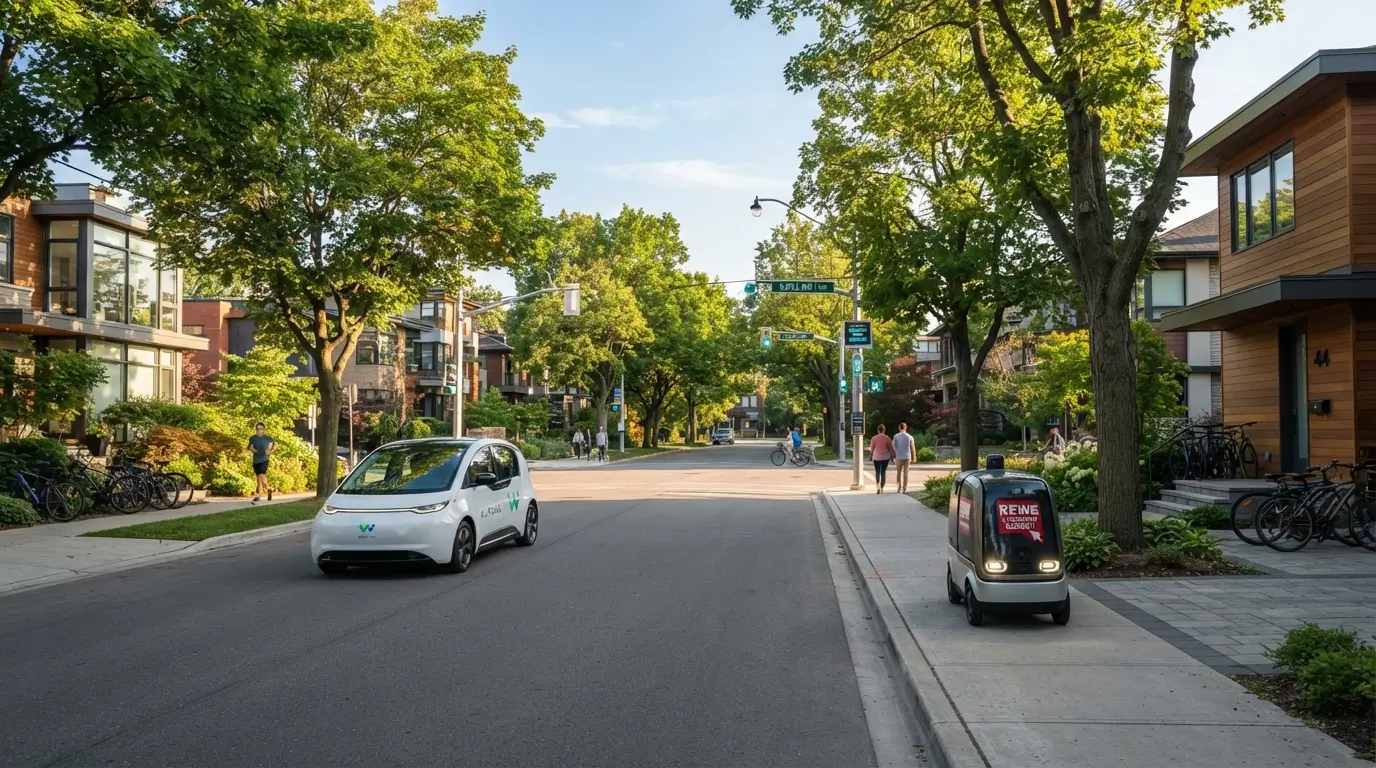
Traffic congestion used to turn simple grocery trips into thirty-minute headaches. Cities now manage major intersections with adaptive traffic networks that adjust green light durations based on real-time vehicle flow instead of rigid timers. Autonomous delivery pods and Waymo cabs glide through neighborhood streets with practiced precision.
My vehicle routes around sudden road construction before municipal signs even go up. Local supermarkets assemble curbside pickup orders using automated fulfillment bins the moment your car pulls within a two-mile radius. Errand runs that once consumed entire Saturday mornings now wrap up in thirty minutes flat.
Health Monitoring Shifts from Reactive Care to Early Prevention
Visiting the doctor used to happen only after someone felt miserable for a week. Health tracking now centers on predictive wellness tracking through continuous smart rings, watches, and smart scale sensors. If my resting heart rate rises alongside subtle voice strain during phone calls, my health app flags early viral inflammation and suggests extra hydration and rest.
Doctors receive concise biweekly health trend reports rather than raw data dumps during checkups. This proactive approach catches vitamin deficiencies, sleep apnea, and cardiovascular spikes months before they turn into severe medical emergencies. Peace of mind comes standard when your body metrics speak up early.
Daily Workspaces Function Like High-Powered Studios
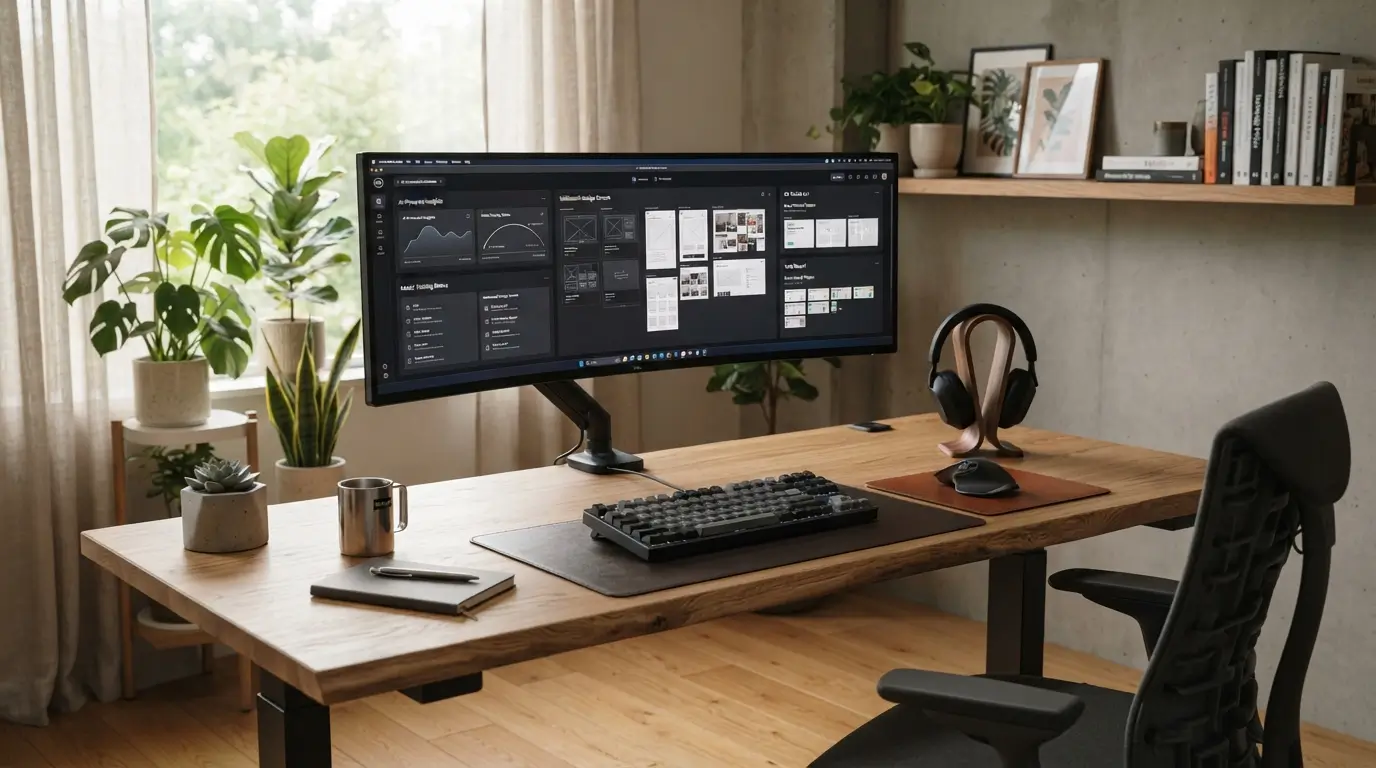
Solo freelancers and corporate workers now complete massive projects with tiny teams. Observing regular remote work setups reveals how artificial intelligence is changing everyday life in 2026 across basic daily workflows. Transcription tools like Whisper convert messy brainstorming voice notes into structured project briefs in seconds.
I use multimodal workflow assistants to generate presentation slides, debug code snippets, and cross-reference dense market research documents. Tasks that once required hiring multiple contract specialists now happen right on a single laptop screen. A solo creator can produce the output of a boutique agency before lunchtime, IMO.
Leisure Time Becomes Hyper-Personalized and Creative
Streaming platforms used to trap viewers in endless scrolling loops searching for something decent to watch. Entertainment systems now assemble generative audio soundscapes and interactive stories tailored to current mood, room lighting, and heart rate. Video games feature non-player characters that hold unscripted, natural conversations without repeating dialogue trees.
Reading interactive books lets readers steer side plots naturally through verbal choices. Passive screen consumption is giving way to dynamic creative participation. Spending an evening at home feels surprisingly engaging when entertainment adapts directly to your creative curiosity.
Smarter Neighborhoods and Efficient Energy Grids
Residential power grids quietly balance energy loads better than ever. Rooftop solar panels, home battery storage units, and electric vehicle chargers communicate with regional grids to buy cheap renewable power during midday peaks. This automated energy optimization lowers utility bills without requiring homeowners to adjust switches manually.
Neighborhood water systems detect subterranean pipe leaks through acoustic vibration sensors before roads buckle. Municipal maintenance crews fix tiny infrastructure problems before residents even notice a drop in water pressure. Smart resource management turns cities into resilient, self-healing environments.
The Privacy Guardrails Keeping Smart Homes Secure
Inviting intelligent systems into personal living spaces naturally raises valid privacy concerns. The biggest technical shift involves on-device local processing, keeping sensitive personal data stored strictly on private home hubs rather than remote corporate cloud servers. Apple, Google, and open-source communities like Home Assistant prioritize local chips that execute complex models offline.
Homeowners retain strict control over their camera feeds, health telemetry, and voice logs. You get all the speed and convenience of automated assistance without broadcasting your private lifestyle to advertisers. Drawing clear technical boundaries keeps the relationship with modern tools safe and empowering.
Learning and Skill Building at Individual Speed
Studying complex topics used to mean wading through dense textbooks or watching generic online video tutorials. Personalized tutors now analyze how fast a student grasps calculus or Spanish grammar, adjusting explanations on the fly. If an explanation fails to click, the tutor reframes the concept using sports analogies, visual diagrams, or hands-on practice problems.
Adults learning new career skills receive custom roadmaps matched to their specific industry backgrounds. Real-time language translation earbuds allow travelers to converse with local shopkeepers across the globe in natural cadences. Education has become deeply personal, patient, and accessible to anyone with a pair of headphones.

Budgeting and Personal Finance on Autopilot
Balancing household spreadsheets used to be a dreaded weekend chore. Modern banking apps now analyze seasonal spending patterns, predict upcoming utility spikes, and automatically route surplus funds into high-yield savings accounts or index funds. If an insurance premium rises at renewal time, your financial agent compares competitor rates and prepares switch paperwork for approval.
Unused gym memberships and forgotten digital subscriptions get flagged immediately. You never have to worry about overdraft fees or late payment penalties because financial algorithms forecast cash flows weeks in advance. Managing money has shifted from stressful record-keeping to simple confirmation taps.
Why the Human Element Matters More Than Ever
Surrounding ourselves with smart automation highlights the value of genuine human connection. Having automated systems handle scheduling, grocery runs, and administrative duties creates more room for shared family dinners, outdoor hikes, and slow Sunday mornings. Experiencing how artificial intelligence is changing everyday life in 2026 proves that smart software should serve human living, not replace it.
We appreciate handcrafted art, face-to-face conversations, and handmade meals even more because they stand out against automated precision. Technology handles the tedious logistics of existence so we can focus on enjoying life itself. FYI, keeping that balance is what makes this era genuinely exciting.
Frequently Asked Questions
Do people still need prompt engineering to use modern artificial intelligence?
Prompt engineering has largely disappeared for ordinary users. Modern machine learning systems understand conversational context, vague instructions, and natural speech without requiring special formatting tricks. You simply speak or type like you would to a coworker, and the software figures out the necessary intent and execution steps automatically.
Is artificial intelligence changing everyday life in 2026 safely regarding private data?
Data privacy has improved significantly through on-device processing. Most smart home hardware and personal assistants process voice recordings and personal files locally using dedicated neural chips. Sensitive personal records remain stored on your physical devices rather than streaming to third-party cloud servers for advertising analysis.
How much home electricity do smart machine learning tools consume?
Modern localized models run on specialized low-power microchips that consume minimal wattage. A smart home hub running continuous background automation typically uses less electricity than a standard LED light bulb. Smart thermostats and power-routing algorithms actually save homeowners far more electricity than the chips consume.
Can daily automated tools function during home internet outages?
Yes, local systems operate smoothly without active internet connections. Door locks, automated lighting schedules, pantry sensors, and on-device voice processors store their core models directly on your local hardware hub. You will only lose access to external features like cloud-based web searches or remote streaming services.
Will relying on smart household automation weaken basic human problem-solving skills?
Automation removes repetitive administrative friction rather than genuine critical thinking. Delegating tasks like calendar scheduling, grocery tracking, and bill sorting frees up mental energy for deeper creative projects, strategic work, and meaningful personal relationships. Users control how much autonomy they give their household tools.
Conclusion
Living alongside smart automation turns out to be much quieter and more practical than the movies predicted. The best technology fades into the background, giving us back our time and mental clarity for the things that truly matter. Which small automated routine has made the biggest difference in your home this year?
Also Read: Best AI Tools for Improving Productivity at Work and Home 2026