

Figuring out how to learn new skills online without spending a lot of money felt impossible when I saw four-figure bootcamp prices everywhere. Staring at those checkout pages with an empty bank account made me feel completely stuck. You do not need expensive subscriptions to master practical topics from your own desk. Real progress comes from pure resourcefulness and daily grit, not your credit limit.
Choose One Specific Skill and Define a Real Project
Start by narrowing your ambition down to a single, concrete outcome. Trying to learn broad subjects like web development or graphic design in general is a recipe for quick burnout. Instead, pick a tiny goal like building a responsive three-page portfolio website or editing a two-minute promotional video. Having a clear destination stops you from aimlessly browsing tutorials without retaining anything.
When I first tried coding, I wasted three months watching endless beginner videos because I never actually wrote code from scratch. The real breakthrough happened when I decided to build a simple habit tracker web page. You will encounter immediate roadblocks, and those exact roadblocks force you to research specific answers rather than passive theory. Define a tangible micro-project before you open a single tutorial window. This turns abstract information into problem-solving tools you actually remember next month.

Use University Quality Course Audits for Zero Dollars
Elite educational institutions give away their core curriculum for free if you know where to look. Websites like Coursera and edX partner with top universities, including Harvard, Yale, and Stanford. These platforms heavily market their monthly certificates, which trick most beginners into pulling out their credit cards. However, almost every individual course includes a hidden free option right next to the payment prompt.
When you click enroll, look closely for the faint gray text that says “Audit the course” at the bottom of the popup window. You lose access to graded homework submissions, but you retain full access to lecture videos, reading assignments, and discussion boards. Taking advantage of course auditing lets you learn from world-class professors without paying hundreds of dollars for a digital certificate that most hiring managers rarely ask to see anyway.
Tap Into Hidden Library Card Perks
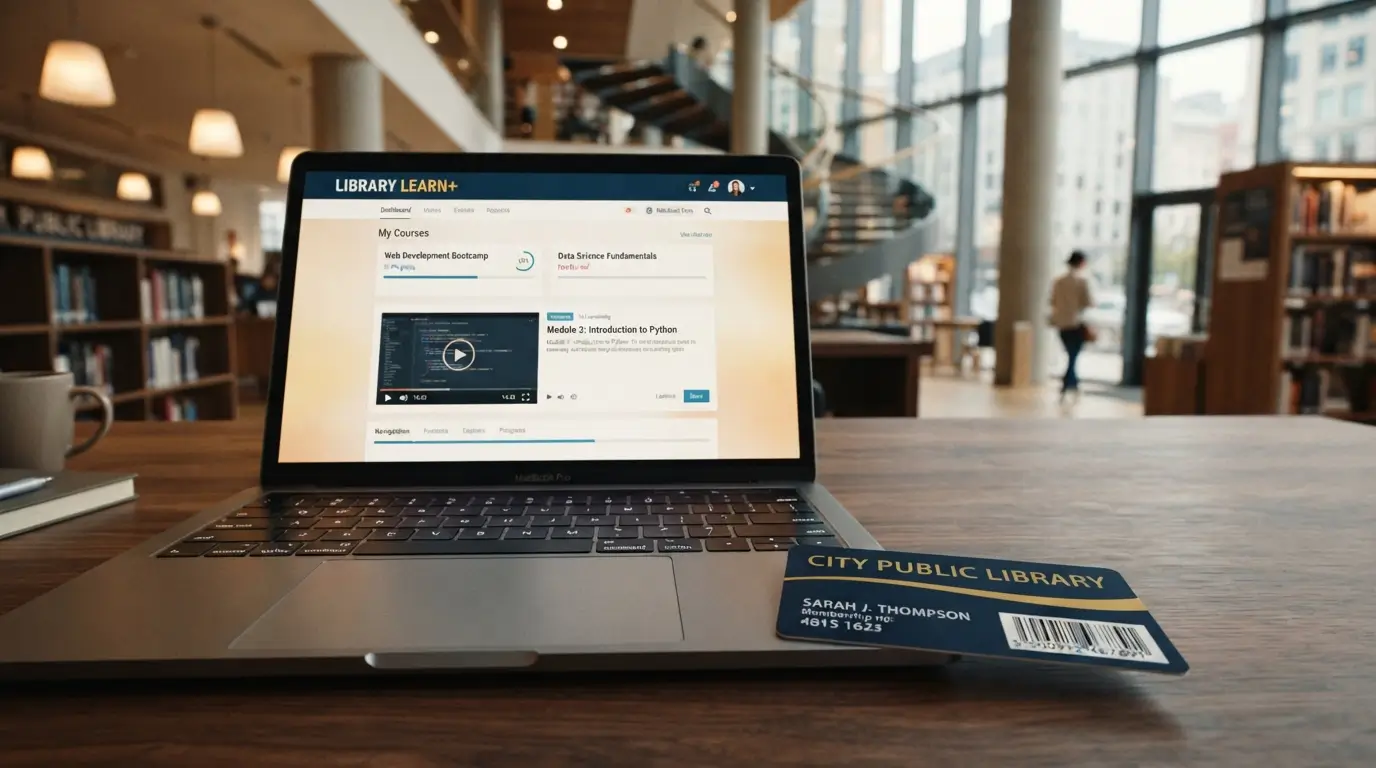
Your local library card unlocks thousands of dollars worth of premium educational software without costing a single penny. Most people view libraries simply as physical warehouses for dusty paperback books. In reality, modern public library systems purchase enterprise subscriptions to high-end educational platforms and distribute them freely to cardholders.
By entering your library card barcode and PIN on your city library website, you can gain immediate, unrestricted access to LinkedIn Learning, O’Reilly Learning, and Mango Languages. I used this exact method to study project management frameworks that normally cost forty dollars a month. Anyone trying to figure out how to learn new skills online without spending a lot of money should check their local branch portal immediately. Utilizing your library card access gives you verified, professional-grade training materials while keeping your monthly budget untouched.
Build a Free Video Curriculum on YouTube
YouTube serves as the largest free school on earth, provided you actively filter out entertainment distractions. Channels like freeCodeCamp, MIT OpenCourseWare, Traversy Media, and Khan Academy publish comprehensive, multi-hour video courses covering virtually any topic imaginable. The main hazard lies in the sidebar recommendations, which bait you into clicking entertainment clips instead of studying.
Defeat the recommendation algorithm by creating a dedicated learning account. Subscribe only to educational creators, install a browser extension to hide suggested feeds, and organize videos into specific watchlists. Treat these curated playlists like formal university syllabi rather than casual entertainment. Take physical notes while watching, pause frequently to test concepts on your own machine, and avoid watching lectures at double speed if you want the information to stick.
The Smart Blueprint on How to Learn New Skills Online Without Spending a Lot of Money
Consistent daily execution creates massive results far faster than sporadic marathon study sessions. You do not need eight free hours a day to master a complex craft. In fact, cramming on weekends usually leads to rapid mental fatigue and forgotten concepts. Understanding how to learn new skills online without spending a lot of money comes down to setting aside an uninterrupted thirty-minute window every single morning before daily distractions take over.
Protect this study block fiercely by turning off phone notifications and closing unnecessary browser tabs. Dedicate the first fifteen minutes to reviewing core concepts and the final fifteen minutes to hands-on practical application. Utilizing structured time blocking prevents overwhelm and builds steady momentum. Small daily investments compound dramatically over six months, turning total beginners into capable practitioners without financial stress.

Join Active Peer Communities for Feedback and Accountability
Studying in total isolation makes every small technical roadblock feel like an insurmountable wall. When you encounter an error message or struggle to understand a difficult concept, you do not need an expensive private tutor. Instead, join active technical communities on Discord, Reddit, and Stack Exchange.
Search for subreddits like r/learnprogramming, r/design_critiques, or r/languagelearning where experienced professionals regularly volunteer their time. When asking for assistance, explain what you tried, share your current code or draft, and state the exact problem clearly. Engaging in regular peer critique sharpens your communication skills and shows you how others solve identical issues. You also meet study partners who hold you accountable to your personal schedule, keeping your motivation high through challenging milestones.
Practice in Public by Documenting Your Work
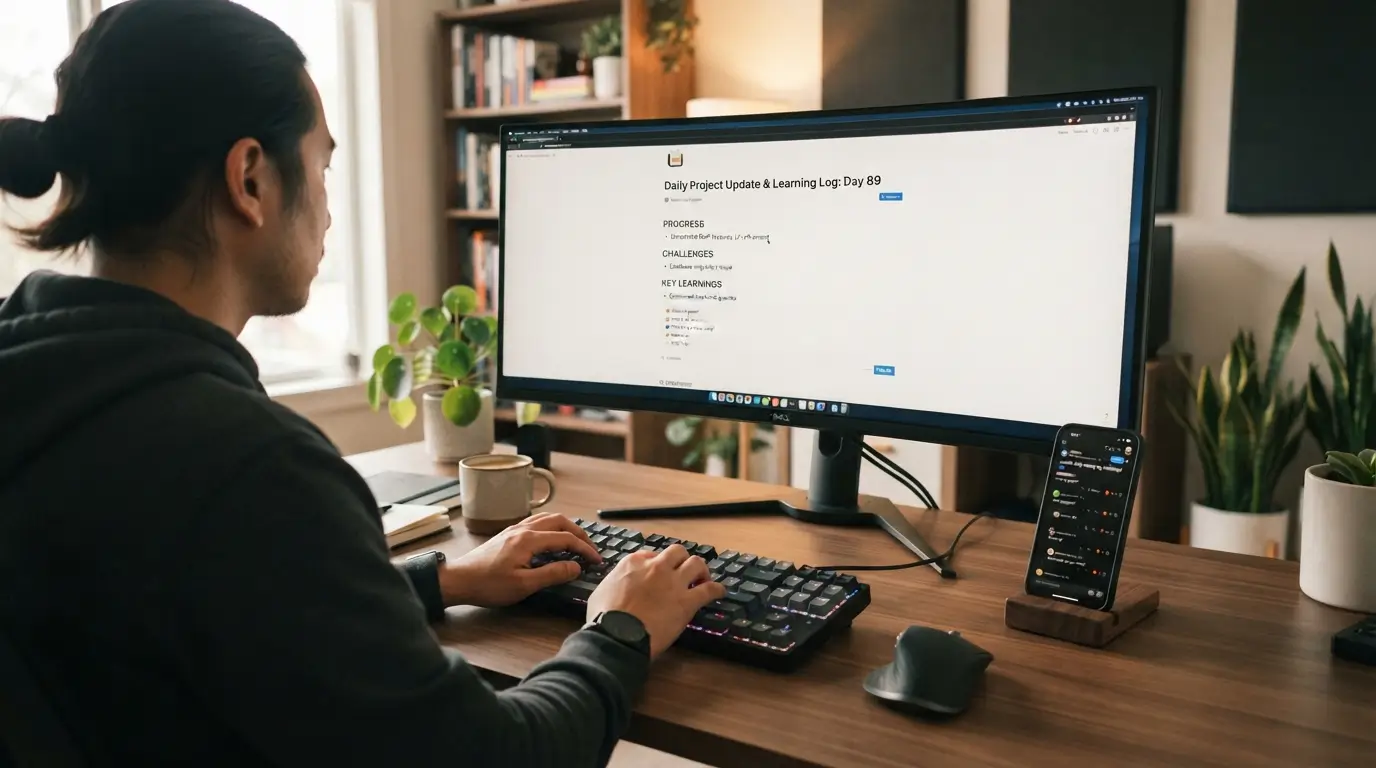
Publishing your daily study progress creates an undeniable digital portfolio that proves your actual competence. A piece of paper from an expensive online academy rarely impresses modern employers as much as proof of real work. Create a simple blog on GitHub Pages or share short weekly summaries on platforms like LinkedIn or Dev.to.
Write brief posts explaining a new concept you learned, a mistake you fixed, or a tool you tested. Documenting your growth builds self-confidence and attracts opportunities from like-minded creators and prospective clients. Maintaining these public learning logs turns your free self-education into a visible track record of discipline, curiosity, and practical capability that sets you apart from passive course consumers.
Turn Open-Source Documentation and Free Textbooks into Daily Practice
Official software documentation and open educational repositories deliver deeper, more accurate insights than flashy paid video courses. Third-party video courses often become outdated quickly when software libraries update. Meanwhile, primary source materials like the Mozilla Developer Network, Python documentation, and LibreTexts remain constantly updated by dedicated global communities.
Relying directly on open educational resources teaches you how to read technical specifications independently, which is the exact skill top professionals use daily. Combine these official texts with free interactive coding environments or sandbox tools to test theories immediately. Reading documentation directly might feel slower at first, but it eliminates guesswork and builds genuine self-reliance that paid tutorials rarely teach.
Break Complex Topics into Modular Spaced-Repetition Decks
Memorizing core terminology and foundational syntax requires systematic repetition rather than mindless re-reading. Flashcard apps like Anki allow you to create custom review decks using proven cognitive science principles. Whenever you encounter a new formula, keyboard shortcut, or industry term, convert it into a question and answer card.
Anki shows difficult cards frequently while pushing familiar cards further into the future. Reviewing your cards for ten minutes during your daily commute or coffee break locks critical facts into your long-term memory. Implementing spaced repetition ensures that the foundational facts remain sharp, freeing up your mental energy to focus on high-level problem solving and creative project work.
Frequently Asked Questions
Can you realistically master a technical trade without paying for an expensive degree?
Yes, you can develop deep technical competence through free open-source projects, university course audits, and active community participation. Employers in software, design, and digital marketing increasingly prioritize verifiable portfolios, GitHub repositories, and practical problem-solving skills over costly institutional credentials or overpriced bootcamp certificates.
What is the best daily routine on how to learn new skills online without spending a lot of money?
Set aside thirty to forty-five minutes every morning before starting your regular workday. Spend the first ten minutes reviewing notes or flashcards, and devote the remaining time to building a hands-on project. Consistency matters far more than weekend marathon sessions when building practical habits on a budget.
Do employers take free online course certificates seriously?
Most hiring managers care very little about the certificates themselves, regardless of whether you paid for them. They care about what you built with that knowledge. Focus your energy on creating a public portfolio, contributing to open-source software, and explaining your thought process clearly during technical interviews.
How do you avoid tutorial purgatory when self-studying at home?
Stop watching video playlists passively without typing along or creating original work. Follow the two-to-one rule: spend one hour absorbing instructional material and two hours building something independently. As soon as you finish a lesson, immediately apply the concept to your personal micro-project without copying the instructor.
Which free online platforms offer the highest quality educational material?
MIT OpenCourseWare, freeCodeCamp, Coursera audit tracks, and Khan Academy provide exceptional foundational material across diverse subjects. Combine these platforms with free resources from your public library, including LinkedIn Learning, to access industry-standard software training and comprehensive digital textbooks without spending any money.
Conclusion
Building valuable capabilities does not require taking on debt or draining your savings account. Start small today by choosing one specific skill, gathering your free resources, and dedicating twenty minutes to real practice. Which new topic are you planning to tackle first?
Also Read; How to Develop Better Study Habits and Improve Learning 2026