

How Regular Exercise Improves Health, Energy, and Fitness 2026
I spent years dragging myself out of bed exhausted before realizing how regular exercise can improve your health energy and overall fitness. Every afternoon brought a brain fog so heavy that double espresso shots barely made a dent. Slipping on worn running shoes changed my entire life. Moving my body consistently gave me my stamina back, cleared my mental clutter, and rebuilt my confidence from the ground up.
Resetting Your Baseline Stamina Through Simple Movement
Starting small saved me from quitting during week one. When I first committed to moving daily, I assumed I had to suffer through punishing high-intensity intervals or spend two hours sweating in a crowded weight room. That extreme mindset burned me out twice before I finally got smart.
I began with a brisk twenty-minute walk right after waking up. My Garmin watch logged barely a mile, but doing it five days straight created an undeniable shift in my morning alertness. Walking outdoors exposes your eyes to natural morning sunlight, which anchors your internal clock while building your foundational aerobic base. It improves blood flow without spiking your stress hormones or beating up your knees. You finish the session feeling energized rather than depleted on the living room rug.
After three weeks of simple daily walking, climbing several flights of stairs stopped leaving me gasping for air. Consistent, low-intensity movement prepares your heart, lungs, and connective tissues for more challenging efforts later while proving that daily physical activity is entirely manageable.

How Regular Exercise Can Improve Your Health Energy and Overall Fitness
Viewing physical activity as a punishment for what you ate guarantees burnout. Exercise is an investment in your biological machinery, not a penalty. Understanding how regular exercise can improve your health energy and overall fitness requires looking at the cellular changes happening beneath your skin.
When you challenge your muscles and cardiovascular system each week, your cells adapt by creating more mitochondria. These structures handle cellular energy production, converting oxygen and nutrients into adenosine triphosphate to power your organs. Sedentary living causes your mitochondrial network to shrink, which is why lounging on the couch all weekend frequently leaves you feeling more exhausted on Monday morning than a day of physical work.
Consistent workouts also improve your insulin sensitivity and regulate blood sugar levels. Your muscles absorb glucose directly from the bloodstream to replenish glycogen stores, preventing the violent afternoon blood sugar crashes that send you hunting for sugary snacks. Instead of leaning on a third cup of coffee to survive the workday, your body produces reliable, clean vitality from within.
Building Real Cardiovascular Strength Without Burning Out
Cardio earned an unfair reputation because most people run until their shins ache and their lungs burn. Sprinting until you collapse on the sidewalk does not build sustainable endurance. Overtraining at maximum effort spikes chronic fatigue, ruins recovery, and leaves you irritable.
I found real progress by dedicating eighty percent of my weekly cardio to Zone 2 training. This means jogging, cycling on a stationary bike, or using a Concept2 rowing machine at a conversational pace. You should be able to breathe comfortably through your nose and speak in full sentences without gasping for breath. It feels remarkably easy at first, which tempts many beginners to speed up too soon.
Resist that urge and stay disciplined at an easy pace. This controlled intensity expands the stroke volume of your left ventricle, allowing your heart to pump larger volumes of oxygenated blood with fewer beats. My resting heart rate dropped from seventy-four down to fifty-seven beats per minute over six months, and my daily energy remained rock solid.

Using Progressive Resistance Training for Metabolic Health
Lifting weights altered my body composition faster than endless miles on a treadmill ever could. Skeletal muscle serves as your metabolic armor, burning calories and stabilizing blood glucose even while you rest. Skipping strength training leaves massive health gains on the table.
A minimalist setup works wonders. I structured my training around fundamental compound patterns: goblet squats, Romanian deadlifts, overhead presses, and dumbbell rows. Focus on mastering clean technique before chasing heavy loads, and apply progressive overload by adding a single repetition or two pounds to the bar each week.
Tracking your weekly workouts proves how regular exercise can improve your health energy and overall fitness as your posture straightens and daily physical chores feel weightless. Lifting heavy bags of soil in the garden or hoisting carry-on luggage into overhead bins becomes effortless. Stronger connective tissues and denser bones shield your body from random aches, keeping you resilient year after year.
Fixing Poor Sleep Architecture with Timed Workouts
Staring at the bedroom ceiling at two in the morning wrecks your focus and ruins the next day. I spent months battling restless nights, convinced that insomnia was just a permanent side effect of adult work stress. Introducing consistent physical training fixed my sleep quality faster than any supplement or white noise machine.
Physical effort creates natural adenosine pressure in your brain throughout the day, generating a robust biological drive for rest by nightfall. Once you fall asleep, your brain cycles into deep slow-wave sleep more efficiently. This critical phase allows your body to release growth hormone, repair micro-tears in muscle fibers, and clear cellular waste from your brain.
Timing your sessions correctly makes a massive difference, FYI. Hammering through a heavy lifting workout at nine in the evening can elevate your core body temperature and flood your system with cortisol, keeping you awake. Finish demanding workouts at least three hours before bedtime so your nervous system can settle into rest mode.

Sharpening Daily Mental Clarity and Emotional Resilience
Movement acts as an immediate mental reset when work stress becomes overwhelming. Whenever tight deadlines pile up and mental tension constricts my chest, a thirty-minute workout clears the mental fog better than anything else.
Physical exercise triggers the release of brain-derived neurotrophic factor, a specialized protein that encourages neuroplasticity and protects your brain against chronic stress. Working out also stimulates a balanced release of dopamine, serotonin, and endorphins. These chemicals lift your mood, sharpen your attention span, and dissolve daily irritability.
You might step into a workout feeling completely overwhelmed by an endless to-do list, but you finish with calm perspective and renewed focus. That mental shift creates genuine emotional resilience. Pushing through physical discomfort under a barbell or on a stationary bike teaches your mind that temporary discomfort is manageable, making daily workplace hurdles feel far less intimidating.
Designing a Sustainable Weekly Routine That Sticks
The most elaborate workout plan in the world is useless if you abandon it by next Thursday. Consistency always outshines occasional extreme effort. Jumping from a completely sedentary routine directly into six grueling gym sessions each week guarantees injury and mental burnout.
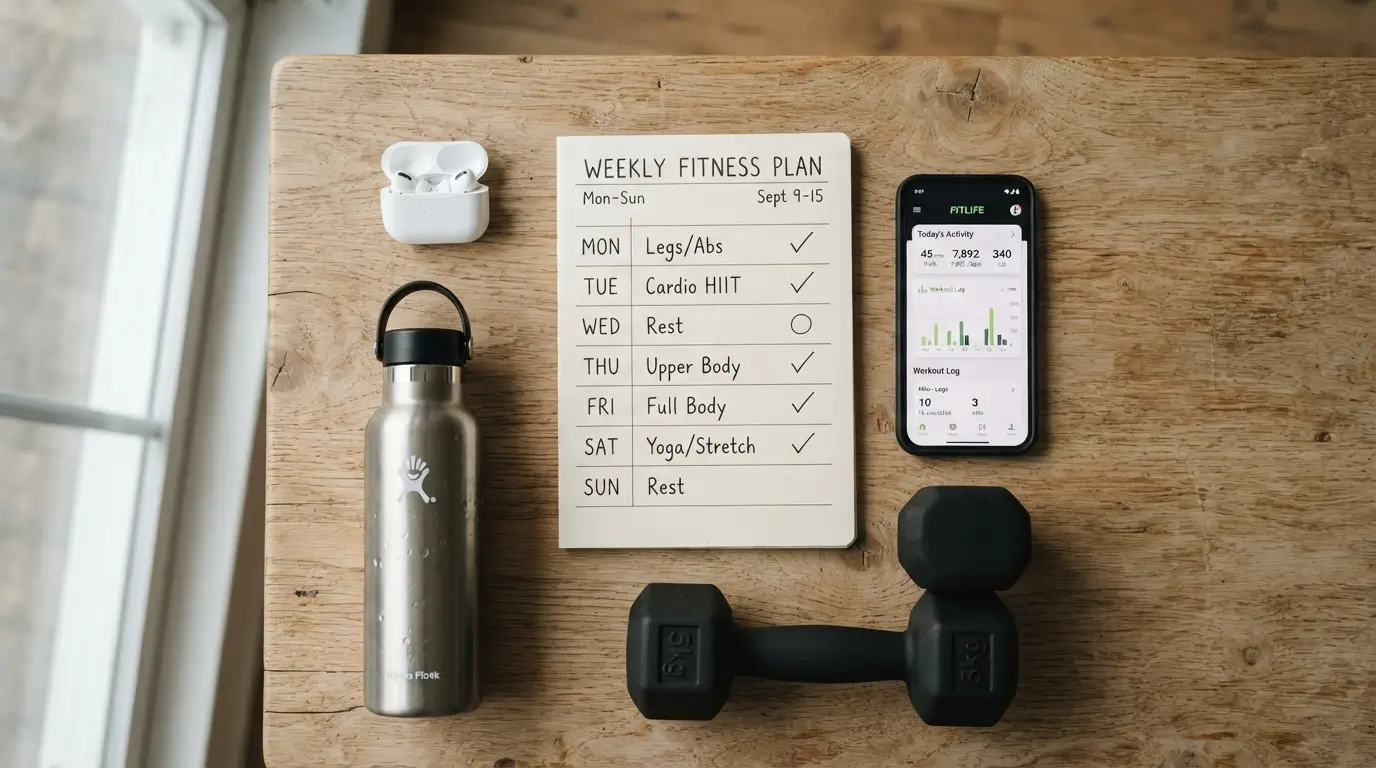
Design a realistic weekly blueprint that fits comfortably into your current schedule. Three forty-minute full-body strength sessions combined with two twenty-minute easy walks or bike rides provide an exceptional foundation for lasting vitality. Apply habit stacking to make your sessions automatic, like doing your workout immediately after shutting down your laptop in the afternoon.
Log your workouts in a simple notebook or use dedicated apps like Hevy to track your progress over time. Seeing your strength metrics climb over months keeps your motivation high without relying on pure willpower. Respect your rest days just as much as your training days, because your body grows stronger during recovery, not during the workout itself.
Frequently Asked Questions
How long does it take to see how regular exercise can improve your health energy and overall fitness?
You will notice improved mood and sharper focus within the first week of consistent workouts. Noticeable increases in daily stamina and deeper sleep typically show up around weeks three and four. Visible changes in muscle tone, body composition, and resting heart rate become obvious after eight to twelve weeks of disciplined training.
What type of workout is best if I have zero stamina?
Start with brisk outdoor walking and basic bodyweight movements like sit-to-stands, wall push-ups, and glute bridges. Walking for twenty minutes each morning establishes a strong aerobic base without taxing your joints. Add light resistance bands after two weeks as your joints and tendons adapt to regular mechanical tension.
How many days per week should I work out to stay healthy?
Aim for three to five active days per week. A balanced schedule includes three thirty-minute strength workouts and two easy cardio sessions like cycling or power walking. This split delivers substantial cardiovascular and metabolic benefits while giving your central nervous system plenty of time to rest and recover between sessions.
Can regular physical activity replace coffee for daily energy?
While it will not mimic an instantaneous caffeine spike, consistent workouts produce steady all-day vitality. Increasing your cellular mitochondrial density and optimizing blood circulation eliminates afternoon sluggishness. Most active individuals find they naturally cut down on extra afternoon caffeine drinks because their bodies produce clean, sustainable energy on demand.
What should I do if I feel too tired to exercise after work?
Commit to the five-minute rule. Put your workout gear on and move for just five minutes. If you still feel genuinely exhausted, give yourself permission to stop. Nine times out of ten, simply getting your blood flowing overrides psychological fatigue and gives you the spark needed to complete the session.
Conclusion
Building a healthier body comes down to putting one foot in front of the other every single day. Pick two small physical habits you can stick with this week, lace up your sneakers, and let your momentum build naturally. What simple movement are you adding to your daily schedule today?
Also Read: Best healthy foods to include in a balanced everyday diet 2026