

Figuring out how to develop better study habits and improve learning performance usually happens when you are staring at a textbook at two in the morning, completely exhausted. You highlight entire paragraphs, re-read the same slide ten times, and still remember nothing during the exam. Real retention requires a smarter routine, not more brutal hours. Let us fix your study system once and for all.
Audit Your Routine and Ditch Passive Review
Start by taking an honest look at where your study hours actually go. Most students spend hours rereading highlighted textbooks, which creates a dangerous illusion of competence without building real memory. You feel like you know the material because your eyes recognize the shapes of the words on the page, but passive recognition never translates to active exam recall. When exam day arrives, that superficial familiarity fails you completely.
I wasted two whole semesters in college reading the same biology chapters four times before realizing my brain was essentially on autopilot. Committing to how to develop better study habits and improve learning performance starts with eliminating these passive traps and building active routines. To break this habit, conduct a brutal time audit of your daily study routine. Log every minute of your study blocks for three consecutive days using a timer app like Forest or Toggl. Note whenever your attention drifts into passive skimming or social media browsing. Replace those low-yield reading sessions with genuine mental effort. Your brain only forms durable neural connections when you force it to retrieve information from scratch. Focus on retrieval practice right from day one rather than comfortable rereading.
Implement Active Recall with Digital Flashcards
Shut your notebook and test your memory immediately after reading a single section. Active recall forces your brain to generate answers without looking at reference material, which cements facts far faster than casual reviewing. When you struggle to pull an answer from memory, you strengthen the neural pathway associated with that specific concept.
Create question-and-answer decks on platforms like Anki or Quizlet instead of copying linear notes into a spiral notebook. For example, instead of writing “Photosynthesis produces glucose,” write the question, “What sugar is synthesized during photosynthesis?” and flip the card to check your answer. When I started using Anki for anatomy and pharmacology terms, my retention doubled in three weeks because I stopped cheating myself with open-book reviews. If you get a question wrong, tag it for review later that evening. Testing yourself repeatedly before an exam removes test anxiety because you have already answered those exact prompts dozens of times. Focus on active recall during every study session to lock down difficult concepts permanently.
Space Out Your Sessions to Defeat the Forgetting Curve
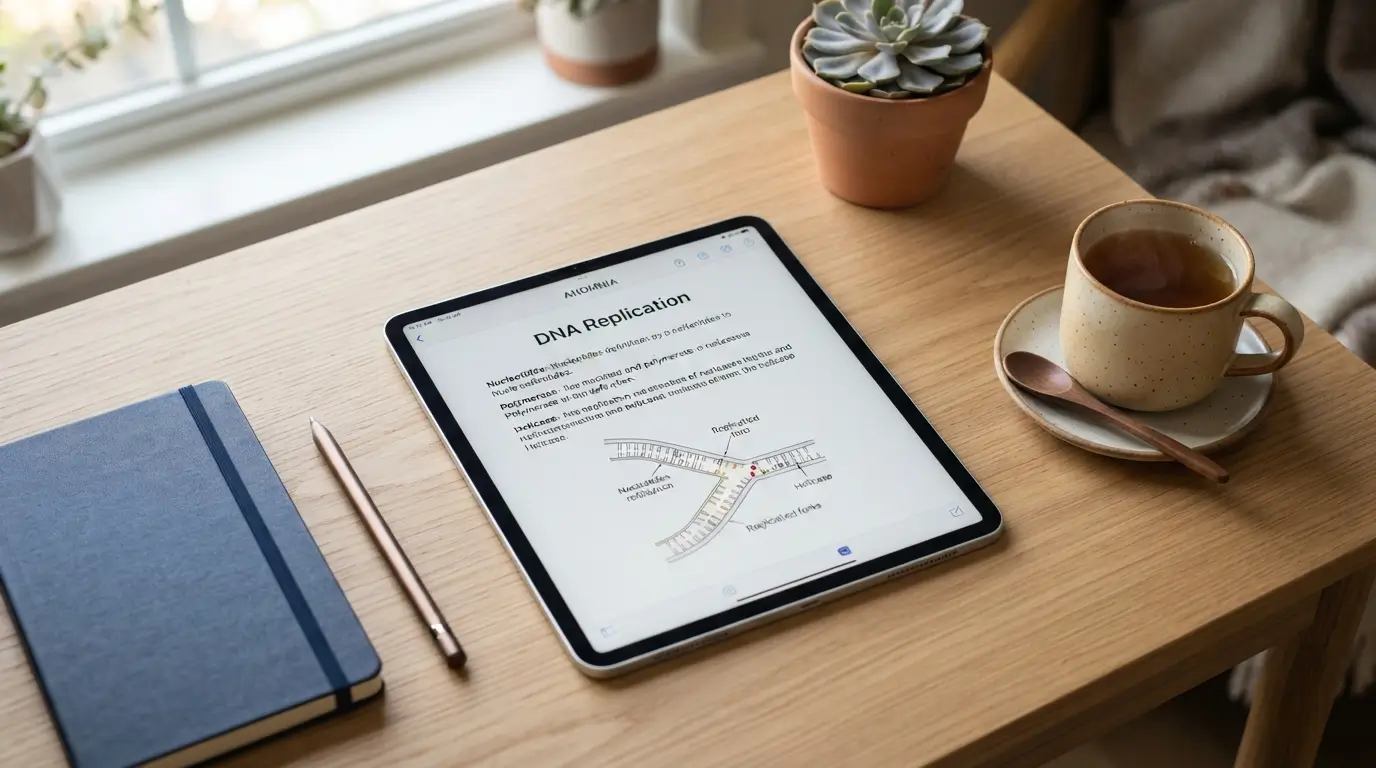
Cramming for eight hours straight the night before an exam might get you a passing grade, but you will forget everything within forty-eight hours. The human brain needs rest cycles and intentional time gaps to consolidate memories into long-term storage. By spacing your study sessions over days or weeks, you force your brain to re-access fading memories, which reinforces retention exponentially.
Map out your study calendar using a simple spreadsheet or a planner app like Notion. Review a newly learned topic twenty-four hours after your first lecture, then again three days later, seven days later, and two weeks later. This structured delay directly counters the classic Ebbinghaus forgetting curve. IMO, sticking to a thirty-minute daily review schedule beats a frantic ten-hour Sunday marathon every single time. You save dozens of stressful hours while your test scores climb. Adopting spaced repetition transforms your study workflow from chaotic last-minute panicking into an organized, low-stress routine.
Build a Dedicated Environment Free from Digital Friction
Your physical surroundings dictate your concentration far more than willpower ever will. Studying in bed or in front of an open browser full of social media tabs drains your cognitive energy through constant micro-distractions. Every notification forces your brain into context switching, which destroys your deep work state.
Knowing how to develop better study habits and improve learning performance requires building an environment where deep focus happens automatically. Designate a specific desk or quiet library corner exclusively for serious study work. Leave your smartphone in another room, or use desktop blockers like Cold Turkey to lock out distracting websites during study blocks. I keep a physical notepad on my desk to jot down stray thoughts like groceries or emails so I can return to them later without breaking focus. When your environment signals work, your brain enters a productive flow state much faster. Cultivating a distraction-free study zone ensures that every minute you sit at your desk produces real, measurable progress.

Teach the Material Using the Feynman Technique
Simplifying complex concepts into plain, beginner-friendly language reveals your real knowledge gaps instantly. If you cannot explain a topic to a twelve-year-old without relying on jargon, you do not truly understand it yet. True mastery means stripping away buzzwords and explaining the core mechanics clearly.
Grab a blank sheet of paper and write the name of the topic at the top. Explain the idea in writing as if you were teaching a complete beginner, using simple analogies and diagrams. Whenever you get stuck or catch yourself writing complicated textbook phrases, open your source material to review the weak point. I used this method constantly for organic chemistry reaction mechanisms, drawing cartoon analogies to understand molecular bonding. Returning to the source material to refine your explanation turns confusing theories into second-nature understanding. Relying on the Feynman technique guarantees that you never walk into an exam with half-understood theories.
Master How to Develop Better Study Habits and Improve Learning Performance Through Interleaving
Blocking your study sessions around a single topic for four consecutive hours feels productive, but it actually stunts your problem-solving adaptability. When you practice fifty identical math problems in a row, your brain learns the pattern rather than the underlying concept. In contrast, mixing related subjects or different problem types forces you to select the correct problem-solving strategy on the fly.
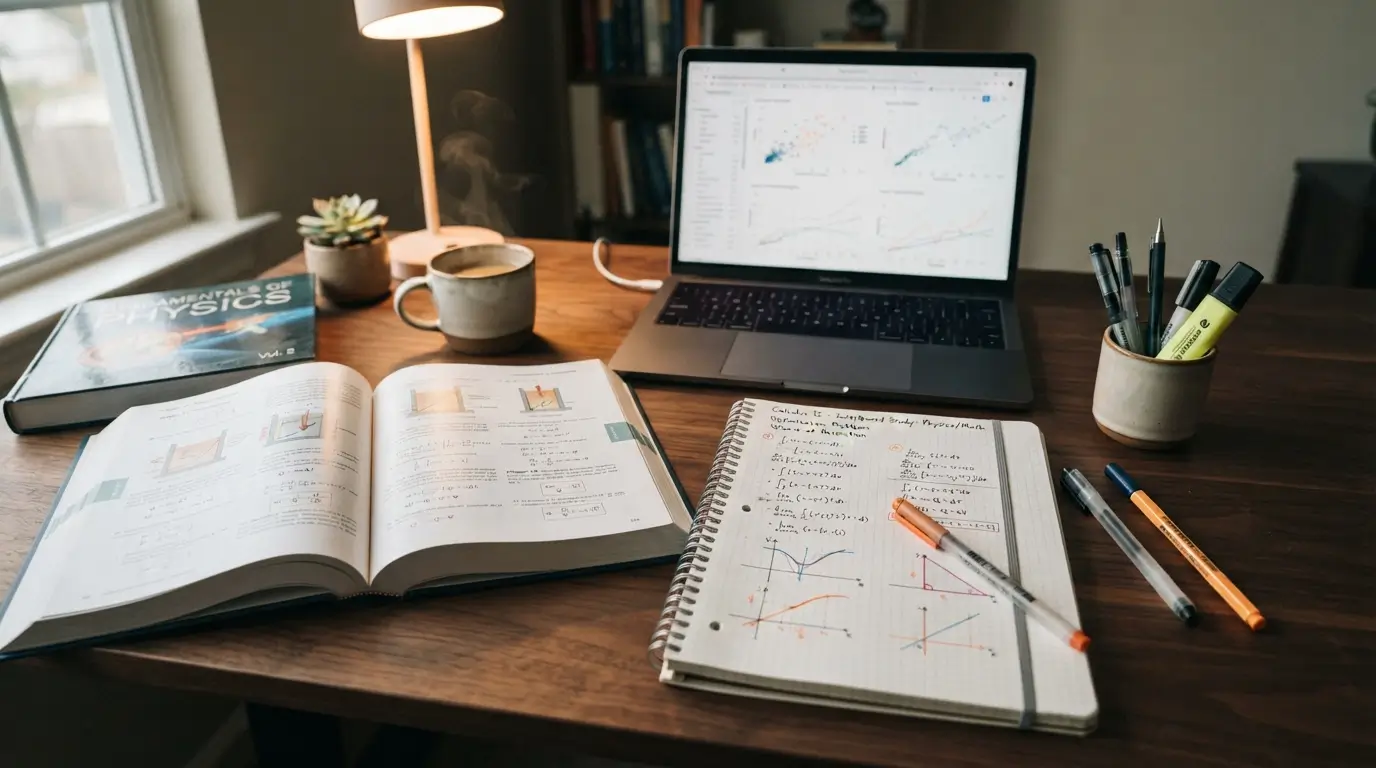
Rotate between two or three complementary subjects within a single afternoon block. If you are studying physics, mix kinematics problems with thermodynamics equations rather than doing thirty problems of the same type. This strategy, known as interleaved practice, teaches your brain to categorize problems accurately under exam conditions. Applying this method helps anyone learning how to develop better study habits and improve learning performance because test questions rarely appear in predictable blocks. Switch topics every forty-five to sixty minutes to keep your mind sharp and agile. Embracing interleaved practice prepares you for unexpected questions and builds real problem-solving agility.
Fuel Your Brain with Strategic Rest and Recovery
Treating sleep as optional is the fastest way to destroy your academic or professional potential. Sleep is when your brain clears metabolic waste and consolidates short-term memories into durable neural frameworks. Sacrificing sleep to squeeze in another hour of flashcards directly sabotages the work you just put in.
Aim for seven to eight hours of solid sleep, especially during heavy exam weeks. Incorporate brief twenty-minute walks between study blocks, as light aerobic exercise boosts blood flow to the hippocampus, improving memory retention. FYI, downing four energy drinks will never compensate for a chronically sleep-deprived brain. Pair regular rest with hydration and balanced meals to maintain steady focus throughout your study sessions. Prioritizing sleep hygiene gives your brain the biological foundation it needs to process and store complex information efficiently.
Break Study Blocks into Focused Pomodoro Sprints
Staring at a mountain of course material for an entire afternoon invites procrastination and mental fatigue. Breaking your workday into short, high-intensity intervals makes intimidating tasks feel manageable and keeps your brain operating at full power. Working with deliberate time limits trains your mind to resist wandering thoughts.
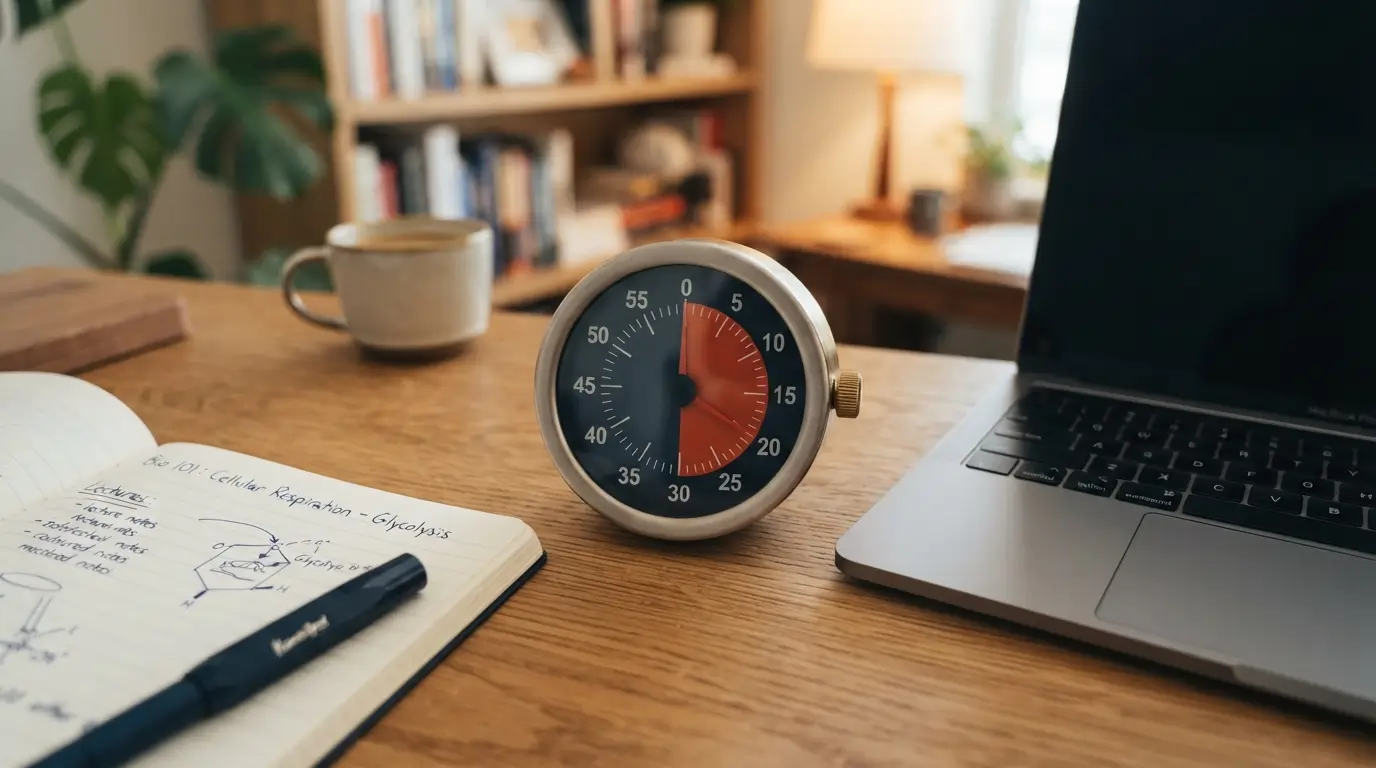
Set a timer for twenty-five minutes of pure, uninterrupted work, followed by a strict five-minute break away from your screen. After four cycles, take a longer twenty-minute break to stretch, grab water, or walk outside. During college finals week, I used a physical kitchen timer because clicking away on a phone app made it too tempting to check group chats. Knowing that a break is always twenty minutes away keeps your motivation high during difficult reading assignments. Using the Pomodoro technique creates a steady rhythm that prevents mental burnout during long study days.
Conduct Weekly Reflection and Adjust Your Strategy
Refining your study routine requires regular calibration based on your real exam and quiz results. What works for memorizing historical dates might fail when applied to calculus problem sets. Top learners treat their study habits like a living experiment, constantly tweaking their approach based on hard data.
Schedule a fifteen-minute review session every Sunday evening to evaluate your previous week. Look at the grades you received, the study blocks you missed, and the topics that still feel confusing. Adjust your calendar for the upcoming week by allocating more time to challenging subjects and scaling back on topics you have already mastered. I keep an error log where I record every mistake from practice tests alongside a one-sentence explanation of why I missed it. Maintaining an honest error log turns mistakes into valuable feedback rather than discouraging setbacks.
Frequently Asked Questions
How long does it take to learn how to develop better study habits and improve learning performance?
Most people notice clearer focus and reduced study stress within two to three weeks of consistent daily practice. Building permanent academic habits, like automated spaced repetition and distraction-free work blocks, usually takes around two months. Stay consistent with your daily routines, and your retention will steadily increase over time.
How many hours should I study each day?
Quality matters far more than total hours spent sitting at a desk. Aim for three to four hours of focused, distraction-free active recall rather than eight hours of distracted skimming. Break your time into fifty-minute focus intervals separated by ten-minute breaks to keep your mental stamina high throughout the entire day.
Does listening to music help with studying?
Instrumental music, video game soundtracks, and ambient lo-fi beats help block background noise without pulling your attention away from complex reading. Avoid songs with lyrics or aggressive shifts in tempo, as vocal tracks compete for the same verbal processing centers in your brain needed for reading and analytical comprehension.
What should I do when I lose motivation to study?
Lower the barrier to entry by committing to just five minutes of focused work. Open your notes, set a five-minute timer, and start with one simple flashcard or summary sheet. Action creates momentum, and starting a small task usually eliminates the initial friction and resistance that causes procrastination.
Why do I forget information right after an exam?
Cramming relies entirely on short-term working memory, which dumps information as soon as the immediate need passes. Without spaced repetition and active testing over several weeks, your brain never encodes the material into long-term storage. Consistent review over time signals to your brain that the knowledge is permanently important.
Conclusion
Durable academic success comes from building consistent, scientifically backed systems rather than relying on late-night panic. Pick one or two strategies from this guide to test during your next study session and pay attention to how much more you retain. Which study technique are you planning to try first this week?
Also Read; Best Free Online Courses for Learning Useful Skills from Home 2026