

Keeping up with the latest technology innovations that are changing the modern world can feel completely exhausting when new breakthroughs drop every single Tuesday morning. You blink, and suddenly your neighborhood clinic relies on artificial intelligence while delivery vans run on solid-state battery power. The sheer speed makes your head spin, yet these practical upgrades quietly fix massive daily friction in ways we rarely notice.
1. Ambient Artificial Intelligence in Healthcare
Doctors now use ambient clinical intelligence tools like Nuance DAX to record and transcribe patient exams in real time without touching a keyboard. The software listens to conversation during your checkup, pulls out relevant symptoms, and builds an accurate medical chart automatically. This gives physicians back several hours of administrative time every day.
I noticed this during my last physical when my doctor never once turned his back to stare at a computer monitor. The visit felt personal and focused because the microphone handled the tedious paperwork in the background. It turns clinical visits back into human conversations.
2. Perovskite Solar Cells
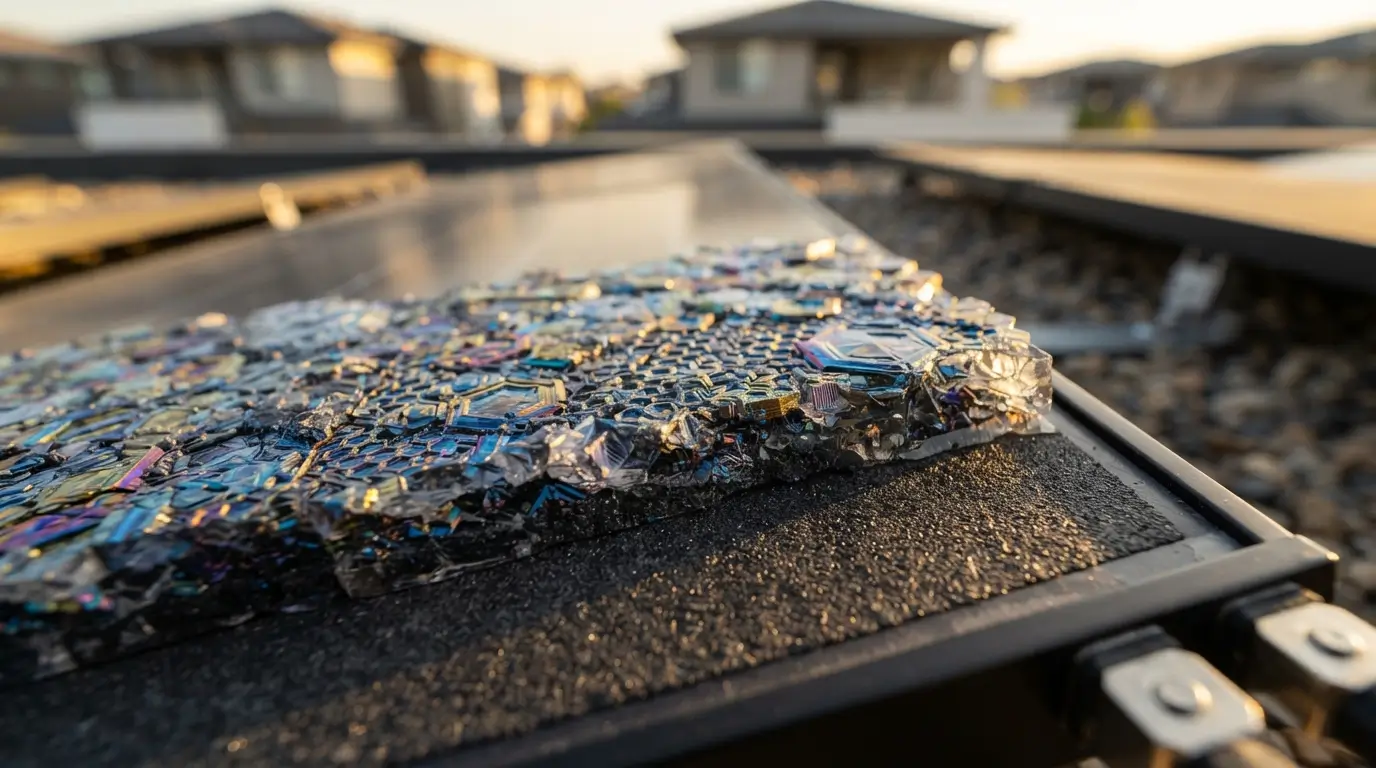
Traditional silicon solar panels have hit a physical wall in efficiency, but perovskite tandem cells break right through that ceiling. Researchers layer this crystal structure over standard silicon to capture different wavelengths of sunlight that older panels waste completely. The combined layers can push residential panel efficiency past thirty percent on ordinary rooftops.
Oxford PV already manufactures commercial versions of these cells for real-world testing on residential homes. Homeowners generate substantially more electricity from the exact same square footage of roof space without installing bulky equipment. Lower manufacturing costs also mean clean energy hardware gets cheaper for everyone.
3. CRISPR Gene Editing for Inherited Conditions
Medical teams recently gained approval for Casgevy, the first CRISPR-based therapy designed to treat sickle cell disease at its source. This tool snips faulty genetic sequences inside bone marrow stem cells and corrects mutations directly. Patients who suffered from lifelong pain crises now experience lasting symptom relief after one treatment course.
Clinical trials show modified cells produce healthy hemoglobin consistently without requiring ongoing donor transfusions. While preparation remains intense, the underlying mechanics shift how doctors approach hereditary conditions. We can finally treat genetic flaws as repairable errors rather than permanent sentences.
4. On-Device Neural Processing Units
Modern smartphones and laptops now pack dedicated neural processing units alongside standard silicon chips. Instead of sending every voice prompt to a distant server, your hardware handles heavy computing locally. This protects your personal data while removing the lag from real-time processing tasks.
Apple Silicon and Qualcomm Snapdragon processors run complex models without draining your battery quickly. You get instant voice transcription, photo cleanups, and live language translation while completely offline. Fast local silicon proves that smart computing upgrades happen right in your pocket.
5. Solid-State Batteries as Latest Technology Innovations That Are Changing the Modern World
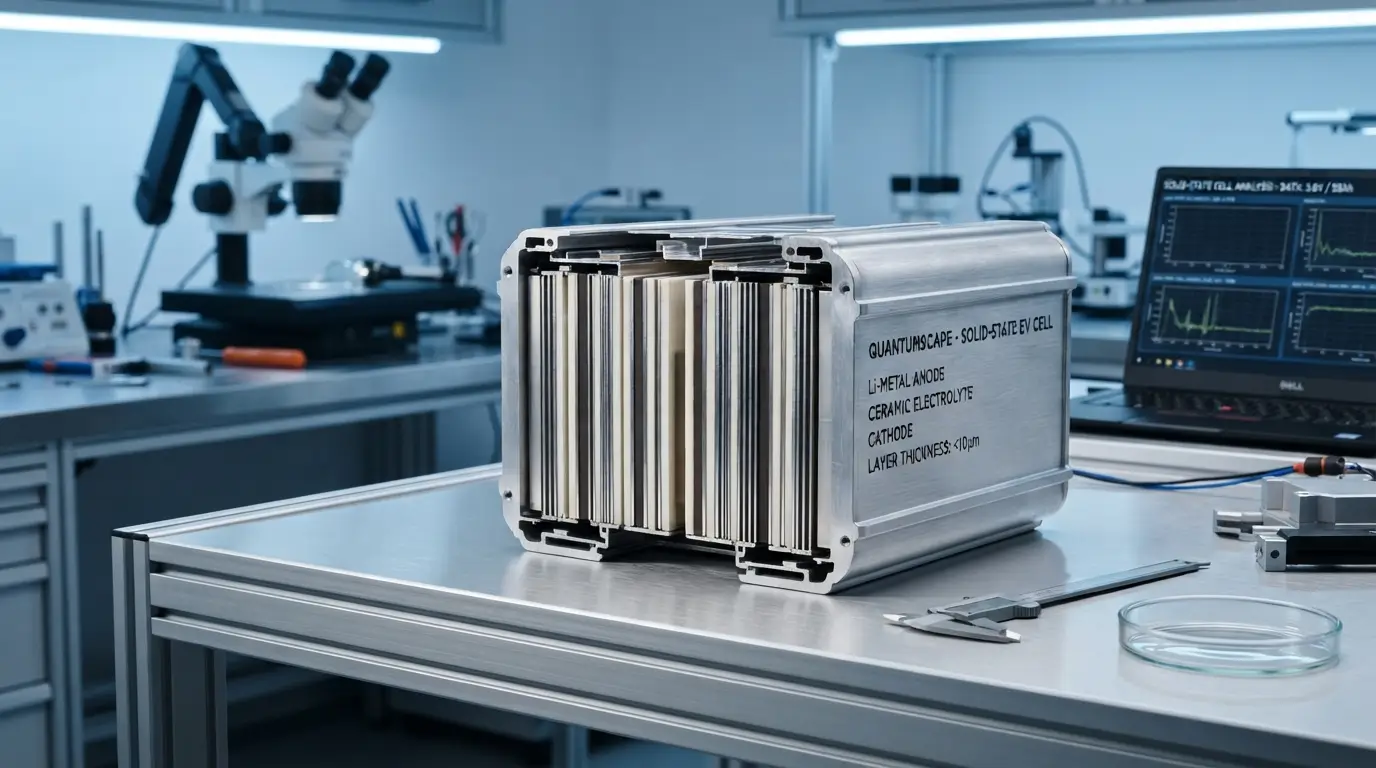
Automakers like Toyota and battery startups like QuantumScape are replacing volatile liquid electrolytes with dense solid ceramic electrolytes. This change increases energy density dramatically while eliminating the dangerous fire hazards associated with traditional lithium-ion packs. Electric vehicles can travel over six hundred miles on a single charge and recharge in ten minutes.
Solid-state systems rank high among the latest technology innovations that are changing the modern world because they solve severe charging bottlenecks. Drivers will no longer wait thirty minutes at highway rest stops in freezing winter temperatures. Better thermal stability also ensures vehicle batteries last for hundreds of thousands of miles without degrading.
6. Direct Air Carbon Capture Facilities
Giant industrial collector fans at facilities like Climeworks Mammoth plant in Iceland suck ambient air across specialized solid amine filters. These chemical filters trap carbon dioxide molecules from the open atmosphere before geothermal heat releases the gas into deep basalt rock formations. Mineralization turns that trapped carbon into solid stone within two years.
Seeing the technology operate at scale proves that carbon removal works outside of small university research labs. Heavy industries purchase these verifiable removal credits to offset unavoidable logistics emissions. Mechanical capture provides a permanent, measurable way to scrub historical emissions directly out of our sky.
7. Commercial Autonomous Freight Trucks
Autonomous haulers from companies like Aurora and Kodiak Robotics move commercial freight across southern highways without human drivers on board. Advanced sensor fusion software merges data from lidar, radar, and cameras to track traffic hundreds of yards ahead. The trucks navigate long night routes smoothly across desolate stretches of open interstate.
Freight carriers run these rigs continuously through the night, which drastically speeds up interstate supply chains. Human drivers take over the loads at regional transfer hubs for complex city deliveries. This smart setup lowers shipping costs while eliminating long-haul driver fatigue.
8. Smart Grid Dynamic Line Rating
Utility operators historically guessed power line capacity based on static seasonal weather models to prevent wire sag. Today, dynamic line rating sensors clamp onto power lines to monitor real-time wind speed, temperature, and tension. This continuous feedback lets operators push up to forty percent more green energy through existing transmission networks safely.
Grid operators can connect remote solar farms immediately without waiting years to construct expensive new towers. When strong winds blow, the breeze cools the lines naturally, allowing them to carry peak renewable power. It is a brilliant hardware upgrade that modernizes our power infrastructure right away.

9. Small Modular Nuclear Reactors
Factory-built small modular reactors like NuScale produce steady, carbon-free baseload electricity on a tiny footprint. Because technicians assemble these compact units inside controlled manufacturing facilities, construction finishes in months rather than fifteen years. Passive cooling systems rely on natural gravity to shut down safely during power failures without human intervention.
Data centers powering cloud networks require non-stop clean energy, making these compact units an ideal power source. Remote industrial sites can place a reactor directly on location to replace dirty diesel generators. These mini reactors deliver safe, continuous electricity to regions where massive power plants could never fit.
10. Synthetic Biology for Sustainable Materials
Biotech companies engineer microbes through precision fermentation techniques to brew sustainable replacements for plastics, animal leather, and palm oil. Instead of drilling crude oil or clearing forests, industrial vats ferment plant sugars into identical chemical building blocks. The resulting materials match the durability of synthetic fabrics without generating microplastic pollution.
Brands like Bolt Threads and MycoWorks already manufacture high-end mycelium leather goods that impress luxury fashion designers. The production process consumes a tiny fraction of the water and land required by cattle farming. Shifting raw materials from petrochemical plants to biological breweries cleans up consumer manufacturing in a lasting way.
11. Robotic Exoskeletons for Physical Labor and Rehab
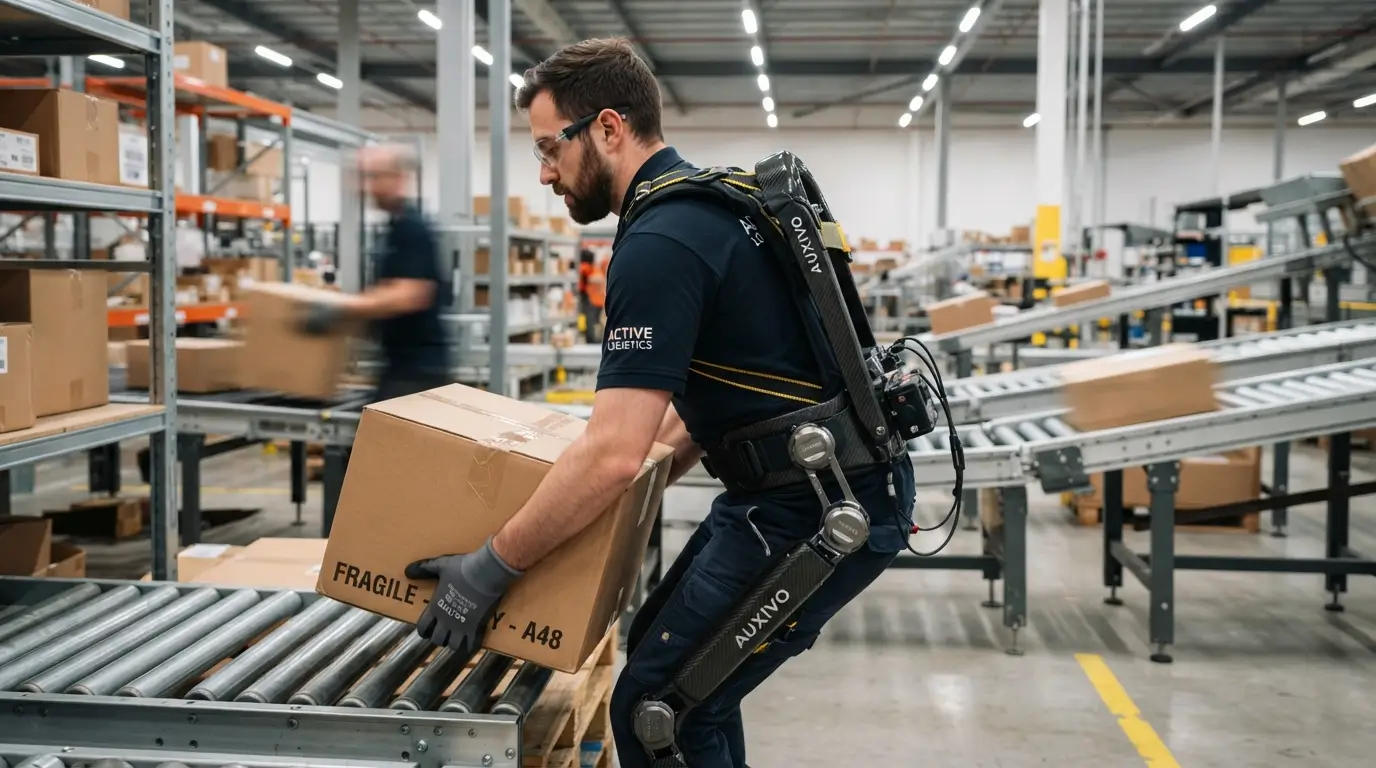
Wearable powered robotic exoskeletons from German Bionic and Ekso Bionics support warehouse crews and therapy patients through motorized joints. The harness reads your posture, absorbs strain during heavy lifts, and prevents lower back injuries before they happen. Physical therapy clinics use larger suits to help stroke patients stand and walk during early recovery sessions.
I strapped into a lumbar suit at a logistics expo last year, and lifting heavy crates felt shockingly weightless. Workers finish eight-hour warehouse shifts without the debilitating spinal soreness that typically forces early retirement. These wearable devices protect human bodies from wear and tear while keeping workers healthy.
12. Generative Protein Design Tools
Artificial intelligence models like AlphaFold and ESMFold allow biochemists to perform custom protein design from scratch in minutes. Researchers enter the biological function they need, and the software generates the precise three-dimensional molecular structure required. This computational shortcut replaces decades of slow, frustrating trial-and-error laboratory experiments.
Scientists are already deploying these custom proteins to create targeted cancer therapies and plastic-eating enzymes. IMO, this molecular design represents one of the latest technology innovations that are changing the modern world at a fundamental level. Engineered proteins give medicine and environmental science an entirely new toolbox to solve difficult global challenges.
Frequently Asked Questions
Which tech innovation will affect daily life the fastest?
On-device artificial intelligence and ambient healthcare tools are already reaching consumers right now. Smartphone processors handle real-time voice translations without internet connectivity, while clinics deploy automated software to remove paperwork friction. You will interact with these seamless upgrades long before industrial clean energy projects finish construction.
How do the latest technology innovations that are changing the modern world handle security risks?
Modern engineering teams build zero-trust architecture and on-device processing directly into consumer hardware to protect private user data. Processing voice commands and sensitive biometric files locally eliminates the risk of cloud server breaches. Companies also implement strict encryption protocols before connecting industrial hardware like smart grids to public networks.
Why does solid-state battery manufacturing take so long?
Scaling solid ceramic electrolytes from a small cleanroom lab to massive automotive assembly lines remains difficult. Ceramics crack easily during high-speed rolling, leading to manufacturing defects and short circuits. Automakers need ultra-clean production environments and perfected roll-to-roll processes before millions of affordable electric cars hit dealership lots.
Will autonomous freight trucks replace long-haul truck drivers?
Autonomous trucks primarily handle monotonous, long-distance highway miles between distribution hubs rather than local deliveries. Human drivers will continue handling complex city driving, delicate loading docks, and customer interactions at final delivery spots. The industry is shifting toward a collaborative hub-and-spoke model that actually lets drivers sleep at home every night.
Are small modular nuclear reactors safe for nearby communities?
Yes, these compact reactors rely on passive safety mechanics like gravity feeds and natural water convection rather than electric pumps. If an unexpected power outage occurs, the reactor shuts down and cools itself indefinitely without human action. Their subterranean containment structures also withstand extreme weather and external impacts securely.
Conclusion
The rapid arrival of these practical tools proves that real technological progress is finally solving our most stubborn physical problems. Whether it is cleaner energy generation or smarter medical tools, these advancements make daily routines safer and much less exhausting. Which of these tech breakthroughs are you most excited to see in your own routine?
Also Read; How Artificial Intelligence Can Improve Everyday Business Tasks 2026